Strategic Communication

Test: how well can you communicate goals and vision (without creating confusion or resistance)

16 questions 9 min62 people have taken this test
Test: how well can you communicate goals and vision (without creating confusion or resistance)

Assess how clear, verifiable, and sustainable your communication of goals and vision is: signs of cognitive overload, communication stress, and recovery debt.

Sign up or log in to take the test

Registration is required to start any test.

What this test analyzes

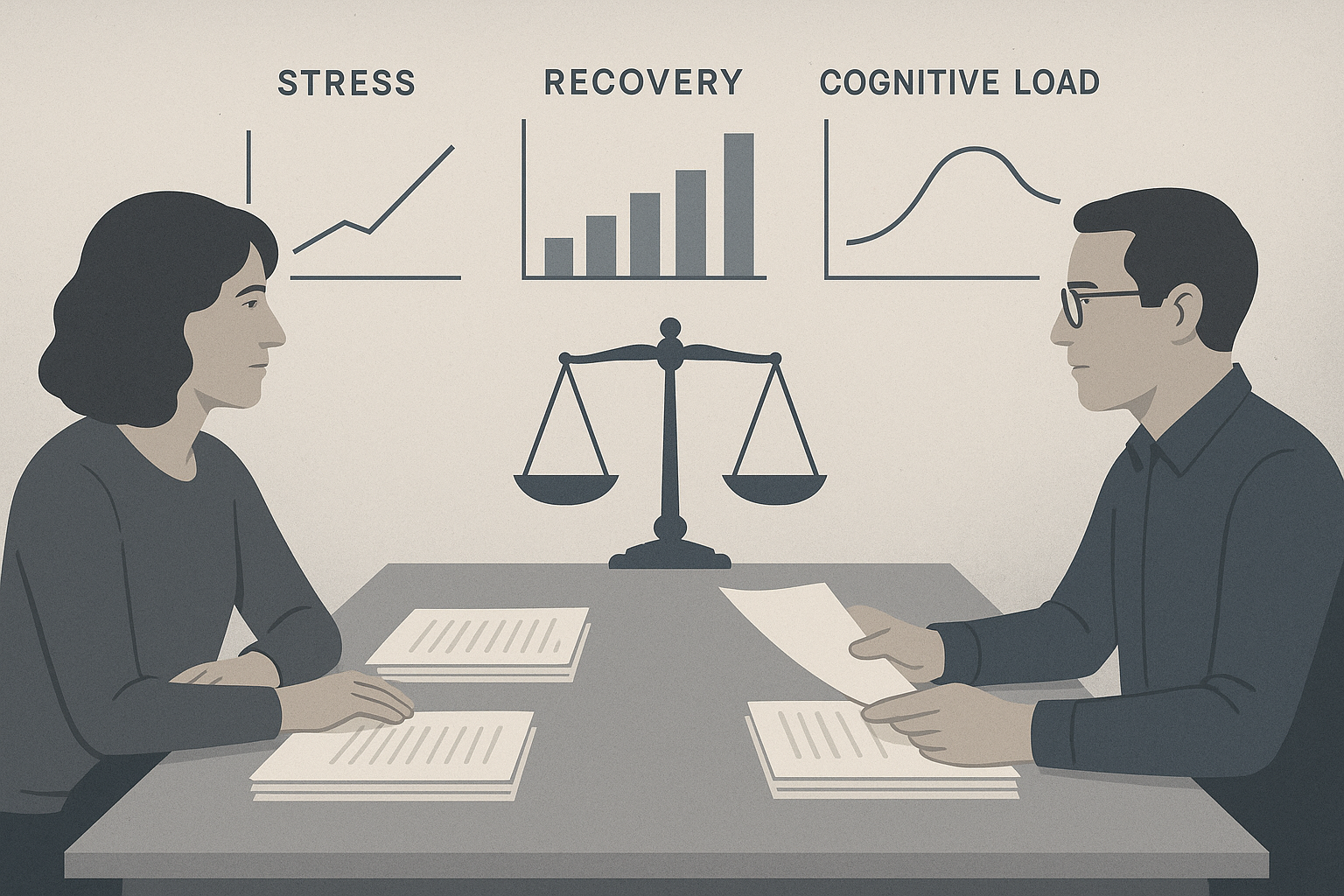
Communication stress load
Measures the level of activation and pressure (anticipation, tension, friction) that accompanies communicating goals and vision. High values indicate that communication is experienced as a high-cost event or one involving significant relational or decision-making risk.
Post-communication recovery debt
Estimates how much time and how many resources you need to return to baseline after strategic communications—rumination, insomnia, irritability, and decreased energy. High values indicate accumulation and reduced sustainability.
Cognitive overload (structuring and transferability)
Assesses how much complexity remains implicit or unstructured, forcing others (or you) to infer missing details. Higher values indicate a greater risk of misunderstandings, repeated follow-up requests, and inconsistent decisions.

Why this test exists

Communicating goals and vision isn’t about “speaking well.” It’s about reducing ambiguity, guiding decisions, and making what matters verifiable. When communication is vague or inconsistent, people compensate with assumptions, defensive micro-decisions, repeated requests, and latent conflicts. The cost isn’t only organizational—it’s also physiological and cognitive.

This test measures three often invisible dimensions:

  • Communication stress load: how much pressure you create or absorb when you have to “hold together” expectations, urgency, and relationships.
  • Recovery debt: how much lingers after difficult communications (rumination, hypervigilance, a drop in energy).
  • Cognitive overload: how much complexity you offload onto others (or yourself) due to a lack of structure, priorities, and criteria.

What it assesses (operationally)

The questions focus on observable behaviors, not intentions. Specifically:

  • Clarity: goals expressed with criteria, boundaries, priorities, and a definition of “done.”
  • Consistency: alignment between vision, day-to-day decisions, and messages repeated over time.
  • Transferability: the ability to ensure others can explain the vision without you.
  • Managing friction: how you handle disagreement, ambiguity, and trade-offs without increasing noise and anxiety.

How to answer (to get a useful profile)

  1. Answer based on the last 30 days, not how it “should” be.
  2. If you have different roles (e.g., manager and contributor), think about the context in which you most often communicate goals.
  3. If you’re torn between two options, choose the more frequent one, not the better one.

Note: this test does not replace clinical assessment. If you recognize persistent signs of stress or insomnia, consider speaking with a healthcare professional.

Interpretation: what you might discover

Many people confuse “vision” with “storytelling” and “goals” with “to-do lists.” The typical result is a paradox: the more you communicate, the more confusion grows. This test helps you distinguish between:

  • Unstructured ambition (lots of energy, little transferability)
  • Rigid clarity (clear goals that don’t hold up under uncertainty)
  • Implicit vision (everyone “feels” the direction, but no one knows how to translate it into decisions)
  • Sustainable communication (clarity + criteria + adequate recovery)

Related deep dives

If you want to connect this profile to other aspects of your self-analysis, you can explore:

Frequently asked questions

Does this test measure my “public speaking” ability?
No. The focus is strategic communication: clarity, consistency, and the ability to convey goals and vision. You can be an excellent speaker and still create decision-making ambiguity; or you can speak simply and achieve strong alignment.
Why do you include stress, recovery, and cognitive overload in a communication test?
Because communication isn’t just content: it also carries physiological and cognitive load. When the structure is weak, requests for clarification, micro-conflicts, and rumination increase. This translates into stress (during) and recovery debt (after), as well as cognitive overload for the recipient.
How reliable is a self-assessment test?
It’s useful if the questions are anchored to observable behaviors and a defined time period. It remains a subjective measure: to increase reliability, compare your answers with concrete examples (messages sent, meetings, decisions made) and, if possible, with feedback from 1–2 people.
What’s the difference between goals and vision in the test?
In the test, vision is the direction and value criteria (why and toward what), while goals are verifiable outcomes (what, by when, under what constraints). Effective communication connects the two levels without confusing them.
If I get high cognitive overload scores, what does that mean in practice?
It means your communication tends to require too much inference: lots of exceptions, unspoken priorities, implicit decision criteria, unexplained course changes. The typical result is that people ask “so what do I do now?” or interpret things in divergent ways.
What does a high communication-related recovery debt indicate?
It means that after important conversations/meetings you’re left with lingering activation and rumination: you replay how you were perceived, anticipate objections, and struggle to “switch off.” It’s not a moral failing: it often signals high-ambiguity contexts or a lack of communication boundaries.
How often does it make sense to repeat the test?
Every 4–8 weeks, or after a significant change (new role, new team, reorganization, critical project). Repeating it too often tends to measure the mood of the day more than patterns.

Recommended tests

All tests