Leadership Style

Test: Ability to inspire the team (Leadership)

14 questions 8 min108 people have taken this test
Test: Ability to inspire the team (Leadership)

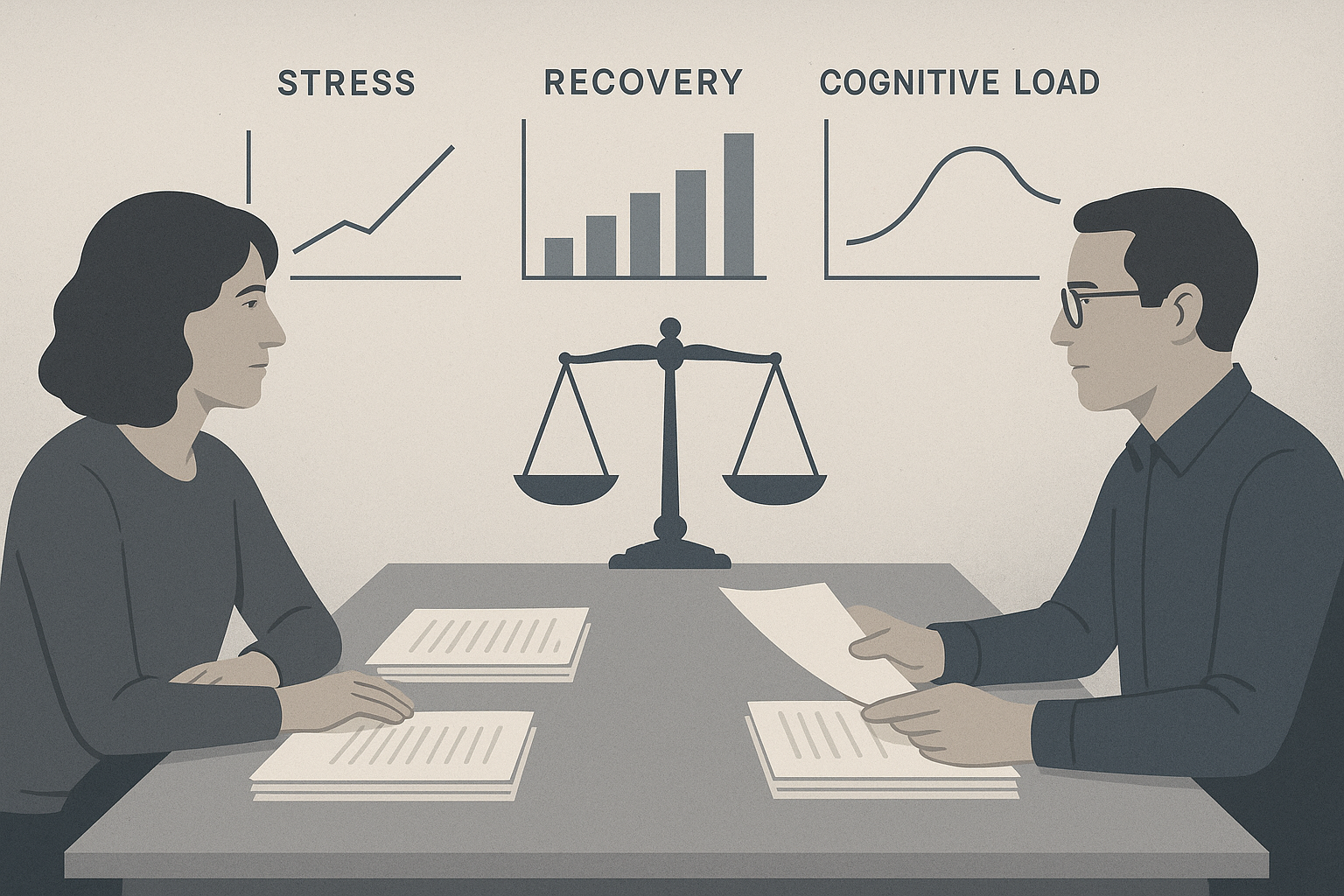
Assess how much your leadership truly inspires: clarity of vision, psychological safety, behavioral consistency, and sustainability under stress. Results on stress, recovery, and cognitive overload.

Sign up or log in to take the test

Registration is required to start any test.

What this test analyzes

Stress load
Intensity and reactivity under pressure: urgency, control, emotional tone, and the ability to stay regulated during conflict.
Recovery debt
The gap between energy you spend and energy you restore: sleep, breaks, boundaries, and decompression. It shapes your patience, your empathy, and your ability to lead consistently.
Cognitive overload
Attentional saturation and unmanaged complexity: too many decisions, too many competing priorities, fragmented channels. This erodes clarity and consistency in communication.

Why a test on inspiration (and not on “motivation”)

“Inspiring” doesn’t mean entertaining people, giving them an emotional boost, or persuading them with catchy phrases. In a team, inspiration is an observable phenomenon: it increases clarity, reduces friction, makes hard decisions easier, and supports autonomy without losing alignment.

This test measures your ability to generate inspiration as a systemic output of leadership: how you create meaning, how you regulate the climate, how you manage energy and attention, and how effective your style remains as pressure, complexity, and ambiguity increase.

What the test assesses (in practical terms)

  • Translatable vision: not just “where we’re going,” but “what changes tomorrow in the work.”
  • Behavioral consistency: how much your micro-decisions reinforce (or contradict) your messages.
  • Operational psychological safety: mistakes, dissent, and feedback treated as data, not threats.
  • Quality of attention: the ability to reduce noise, prioritize, and protect the team’s focus.
  • Sustainability: inspiration that holds up over time without draining you or others.

The three physiological-behavioral axes (mandatory)

In addition to leadership dimensions, the test integrates three axes that often explain why a leader “knows what to do” but can’t do it consistently.

1) Stress load (stress-load-axis)

Measures perceived pressure and reactivity: urgency, conflict, over-control, irritability, rushed decisions. A high load can make leadership more directive and less inspiring, even with the best intentions.

2) Recovery debt (recovery-debt-axis)

Assesses how much you’re “spending” more energy than you recover: sleep, breaks, cognitive decompression, boundaries. Recovery debt reduces empathy, patience, and the ability to hold the vision when the unexpected hits.

3) Cognitive overload (cognitive-overload-axis)

Measures attentional saturation and unmanaged complexity: too many decisions, too many inputs, too many simultaneous priorities. When it’s high, communication becomes fragmented and the team loses its bearings.

How to answer (to get a useful profile)

  1. Answer based on the last 30 days, not on how you’d like to be.
  2. If you’re “in between,” choose the option that describes what happens most often.
  3. Also consider indirect signals: turnover, silence in meetings, unnecessary escalations, the quality of deliverables.

How to read the results

The result isn’t a label. It’s a map of levers and risks:

  • If inspiration is high but stress is high: you may be effective today, but with a risk of rigidity and a decline in relational quality.
  • If inspiration is medium and overload is high: the issue is probably not “charisma,” but attention architecture (priorities, boundaries, decisions).
  • If inspiration is low and recovery debt is high: before changing your style, you need to restore regulatory capacity (energy, breaks, sleep, decompression).

Related deep dives

If you want to integrate this profile with other areas, you can explore:
Frequently asked questions

Does this test measure “charisma”?
No. It measures behaviors and conditions that make inspiration repeatable: clarity, consistency, psychological safety, attention management, and sustainability. Charisma can amplify these, but it cannot replace them.
How reliable is a leadership self-assessment test?
It’s useful if interpreted as a snapshot of recent patterns (last 30 days) and as a working hypothesis. Reliability increases when you compare the results with external signals: decision quality, team initiative, escalation frequency, and the climate in retrospectives.
Why do you include stress, recovery, and cognitive overload in a leadership test?
Because leadership is a high self-regulation performance. High stress, recovery debt, and cognitive overload affect attention, emotional tone, tolerance for ambiguity, and listening ability—elements that determine whether a message inspires or is perceived as pressure.
What does “operational psychological safety” mean?
It’s not “being nice.” It’s creating conditions in which the team can flag risks, mistakes, and dissent without fear of retaliation or humiliation, while keeping standards high. It’s operational when it produces better data and more robust decisions.
If my inspiration score is low, do I need to change my personality?
No. Generally you need to act on specific levers: clarity of priorities, feedback quality, consistency between messages and choices, boundary management (urgencies, meetings, channels). Personality matters less than repeatable behaviors.
What’s an early sign that I’m losing my ability to inspire?
When silence and conformity increase in meetings, or when the team asks for confirmation on decisions already discussed. It’s often an indicator of overload (too many priorities) or stress (a more reactive tone), not a lack of competence.
How often does it make sense to retake the test?
Every 4–6 weeks, or after a significant change (new project, reorg, conflict, increased workload). Repeating it too often risks measuring daily fluctuations rather than patterns.
Can the test help me understand whether I’m “pushing the team too hard”?
Yes, indirectly: a profile with high stress load and high recovery debt, together with signals of control and urgency, is consistent with leadership that gets output in the short term but increases friction and burnout risk in the medium term.

Recommended tests

All tests