Why this test exists
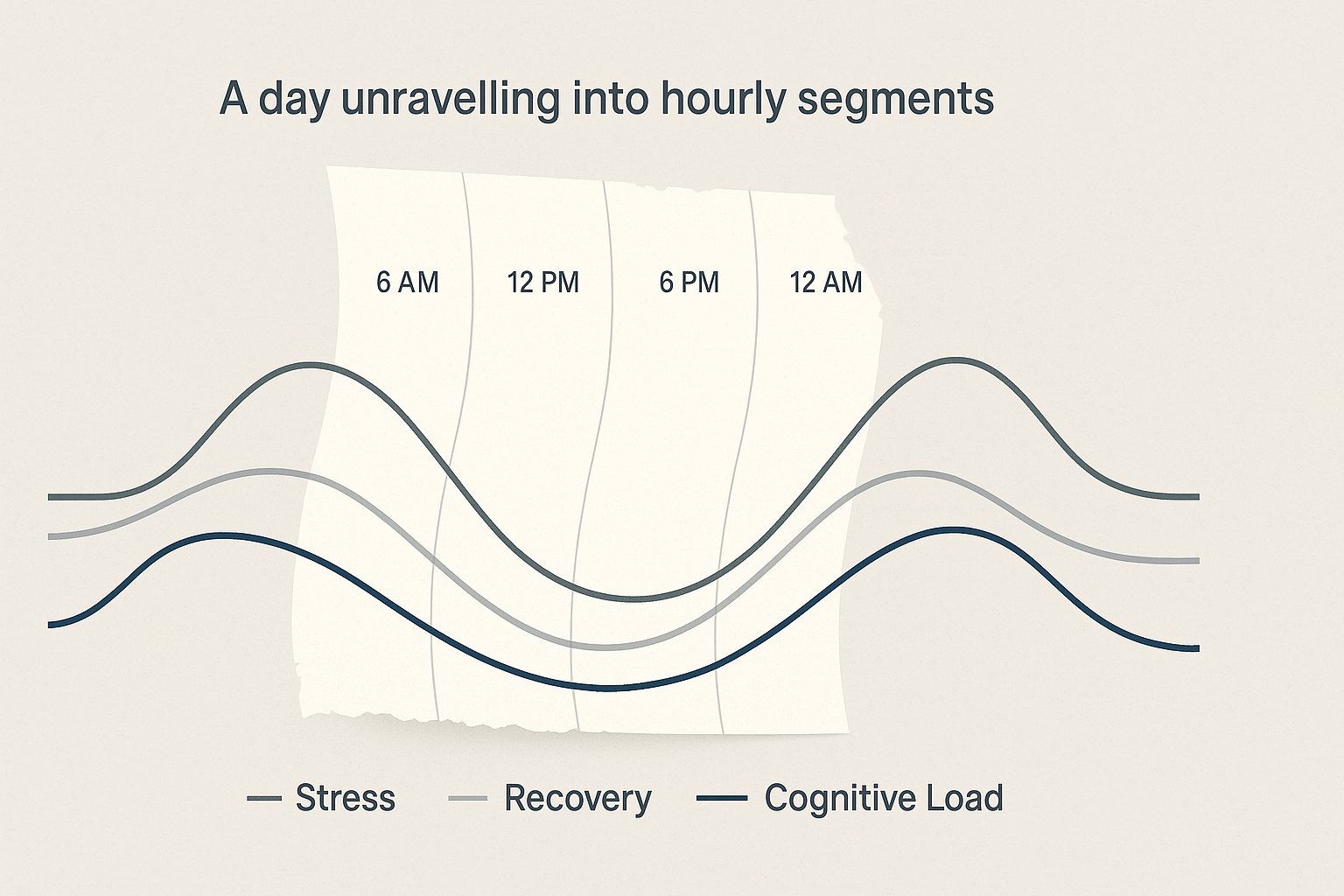
Slow decision-making isn’t a “personality” trait to slap a label on too quickly. It’s often a measurable outcome of the interaction between stress load, recovery quality, and how well you manage cognitive load. In practice, it’s not only what you decide, but the state your mind–body system is in when it tries to decide.
This test is designed to identify recurring patterns that slow choices down: too many options, fear of making mistakes, rumination, overanalysis, difficulty closing loops, and signs of physiological imbalance (sleep, energy, tension, reactivity).
What it measures (and what it doesn’t)
Measures
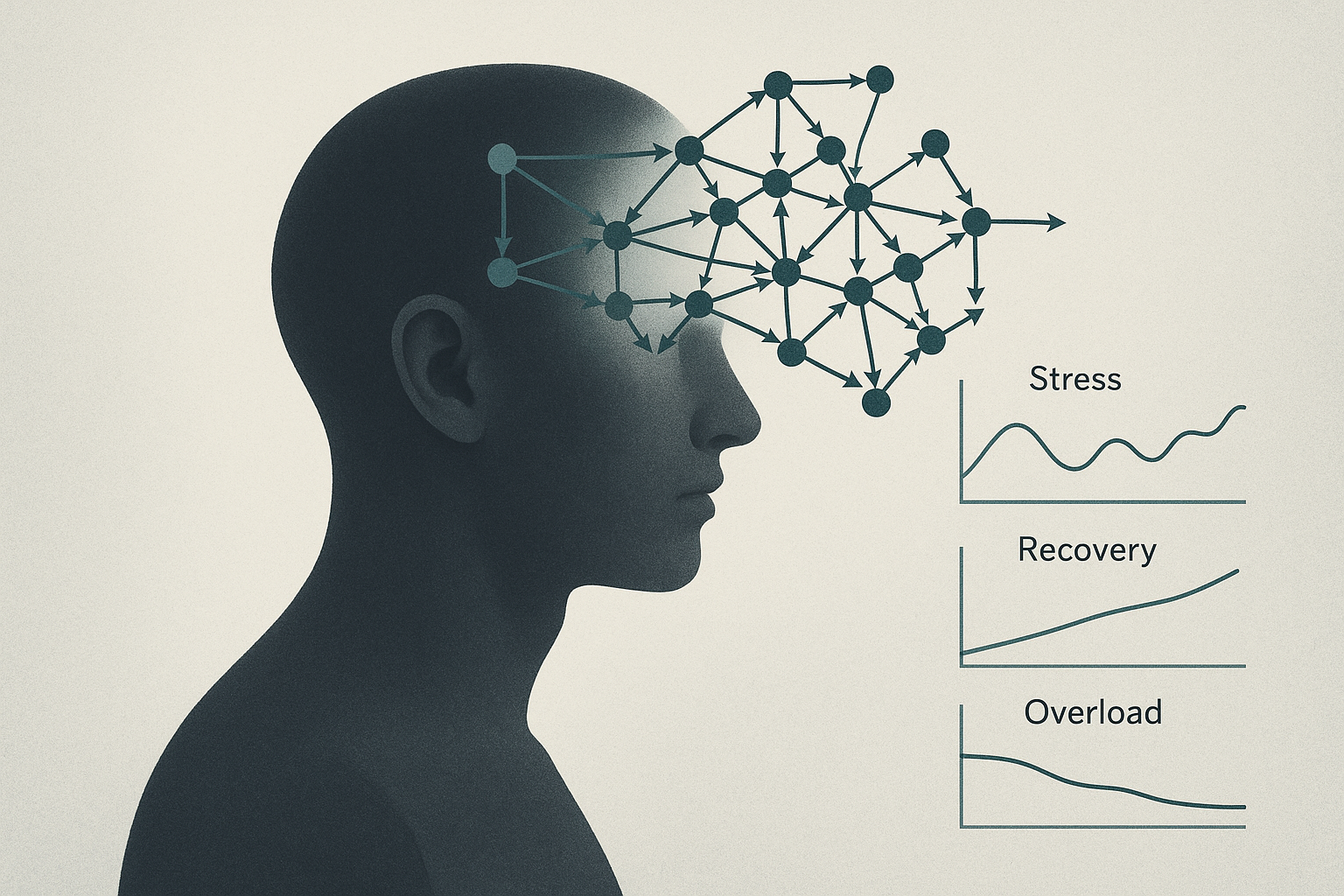
- Stress Load Axis: how much pressure your system is under (urgency, conflict, perceived threats, hypervigilance).
- Recovery Debt Axis: how much recovery you’re “missing” (sleep, breaks, decompression, ability to switch off).
- Cognitive Overload Axis: how much complexity you’re handling (inputs, multitasking, chained decisions, information noise).
Doesn’t measure
- This is not a clinical diagnosis and does not replace a professional assessment.
- It does not determine “how much you’re worth” or “how smart you are.” It evaluates operating conditions and strategies.
How to answer for a useful profile
- Answer with the last 2–4 weeks in mind, not a single episode.
- If you’re “in between” two options, choose the one that describes your behavior more often.
- Consider both small and big decisions: slowness often shows up most in everyday micro-choices (messages, priorities, purchases, planning).
If you want to go deeper after the test, you can compare the results with your mental load profile in Stress and Recovery or with an attention-habits map in Focus and Attention.
Interpretation: three typical pathways to slow decision-making
1) Threat-driven slowness (high stress)
When stress is high, the brain tends to prioritize error prevention over efficiency. The decision becomes a risk to manage, not an action to complete.
2) Recovery-debt slowness (low energy)
If recovery is insufficient, your ability to evaluate alternatives and finalize a choice declines. Procrastination, irritability, and the need for “one more round” of analysis increase.
3) Cognitive-overload slowness (too many inputs)
With too many stimuli and decisions running in parallel, the executive system gets saturated: you shift from “I’m evaluating” to “I’ll deal with it later,” or you get stuck in an endless search for information.
What you’ll do with the result
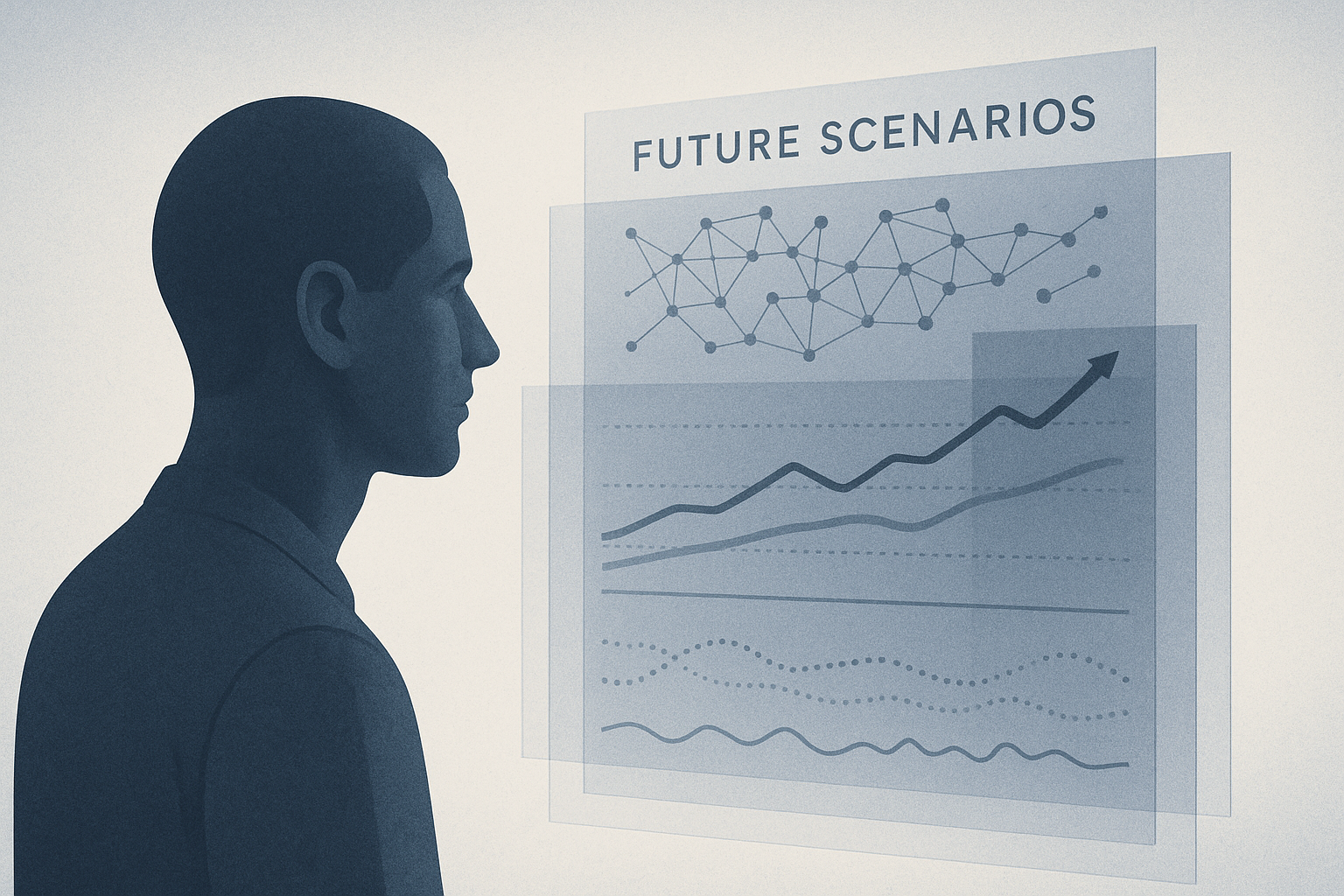
The result isn’t a label, but an operational hypothesis: which axis is contributing most to your slowness, and through which behavioral signals. The goal is to increase autonomy: understand when you slow down, why, and at what cost (time, energy, decision quality, relationships).
If your profile spikes on multiple axes, that’s common: stress, recovery, and overload tend to reinforce each other. In that case, the priority isn’t “decide faster,” but reduce systemic friction before demanding performance.