Why this test exists
When stress becomes prolonged, the useful question is not “how strong are you,” but how your system is organizing itself to cope: which resources it consumes, which signals it ignores, which functions it sacrifices. Psychological fragility under stress is not a character flaw; it is often the predictable outcome of a high load combined with insufficient recovery and cognitive overload.
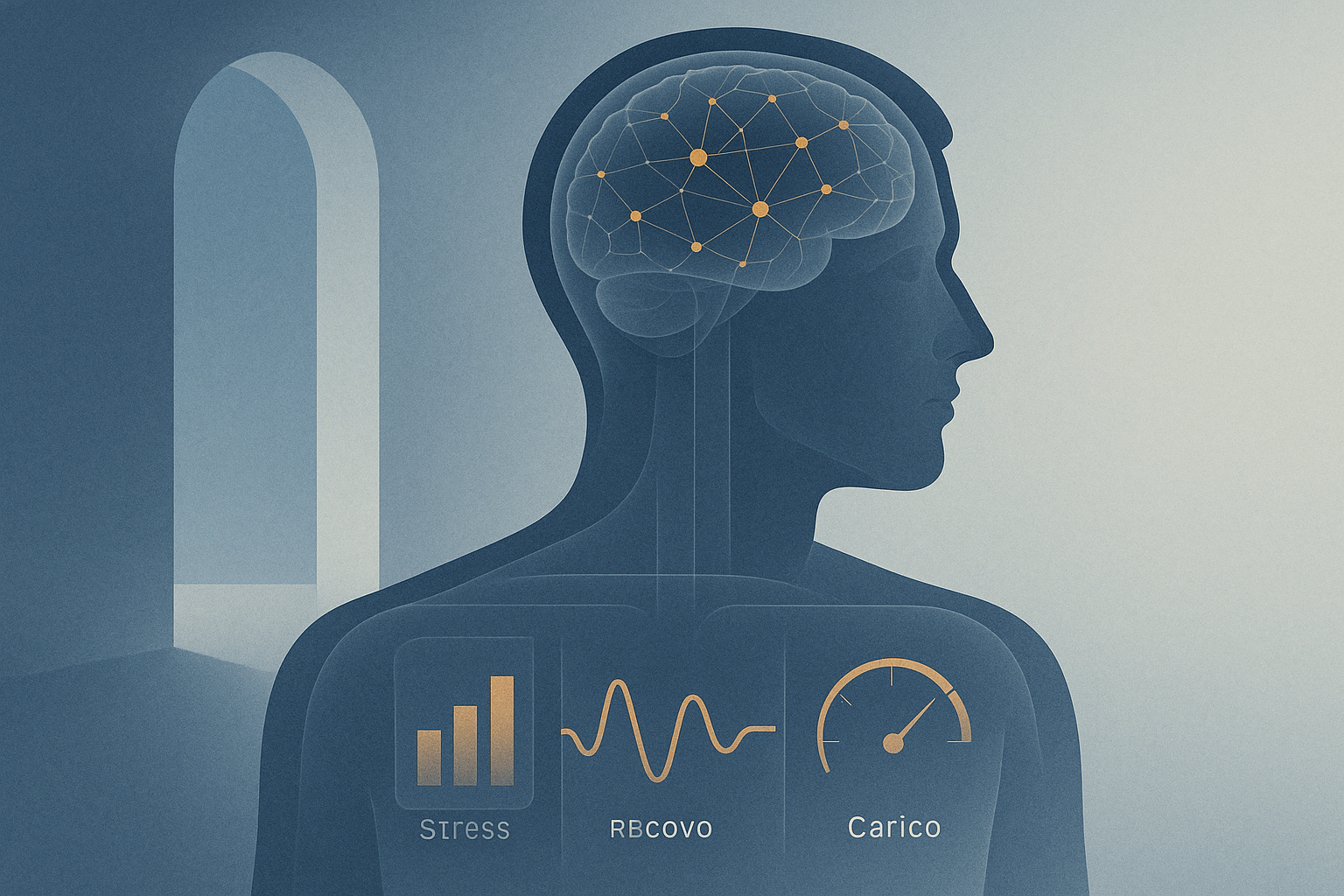
This test is not a motivational quiz, and it does not assign labels. It is an operational map of three axes that, together, describe the likelihood of entering a zone of vulnerability: emotional reactivity, reduced flexibility, decision-making difficulties, irritability, social withdrawal, or hyper-control.
What it measures (and what it doesn’t)
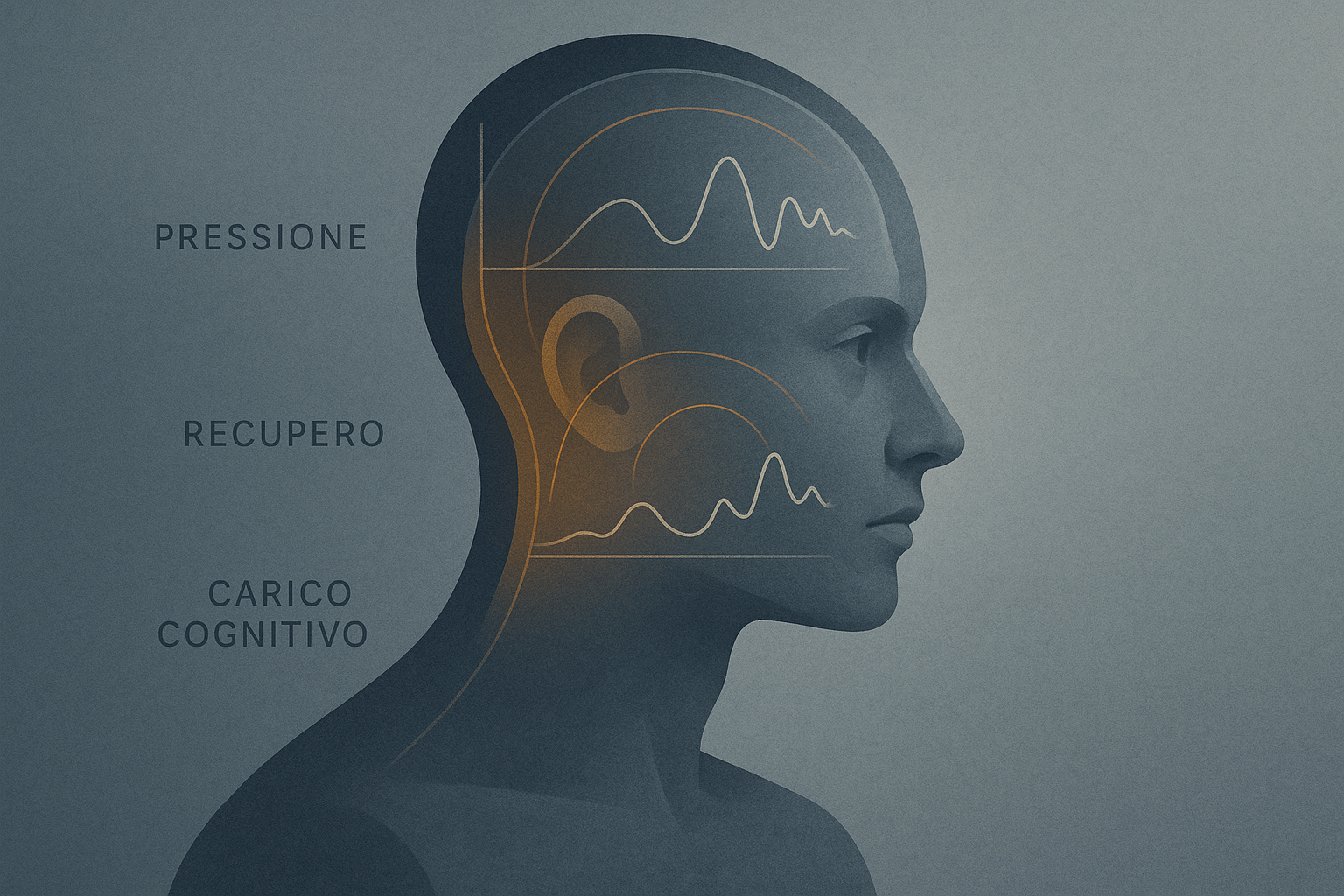
It measures three complementary axes
- Stress load (stress_load_axis): the intensity and continuity of perceived pressures, demands, conflicts, and urgencies.
- Recovery debt (recovery_debt_axis): the extent to which recovery (sleep, decompression, breaks, physiological restoration) is insufficient relative to what you’re expending.
- Cognitive overload (cognitive_overload_axis): saturation of attention and working memory, fragmentation, decision fatigue, mental noise.
It does not measure
- Clinical diagnoses (anxiety, depression, burnout), nor does it replace a professional assessment.
- “Resilience” as a moral trait. Here we’re talking about regulation and the capacity to recover under real-world conditions.
How to answer to get a useful result
- Answer with the last 2–3 weeks in mind, not a single “bad” day.
- If you’re unsure between two options, choose the one that describes what happens more often.
- Don’t answer the way you “should”: this test only works with realistic data.
Methodological note: some questions are worded similarly but not identically, to distinguish between load, recovery, and overload. This is intentional.
How to read the results: three typical patterns
1) High load + Low recovery
An erosion pattern: the person “holds up” for as long as they can, then somatic signals appear—irritability, cynicism, a drop in motivation, greater vulnerability to conflict, and impulsive choices.
2) High cognitive overload (even with medium load)
A fragmentation pattern: many micro-activities, interruptions, multitasking, continuous decisions. The ability to prioritize decreases, and the feeling of “never finishing” increases.
3) High load + High overload + Low recovery
A red-zone pattern: high risk of dysregulation (emotional and behavioral), insomnia or non-restorative sleep, difficulty “switching off,” reduced frustration tolerance.
Practical (not generic) guidance after the test
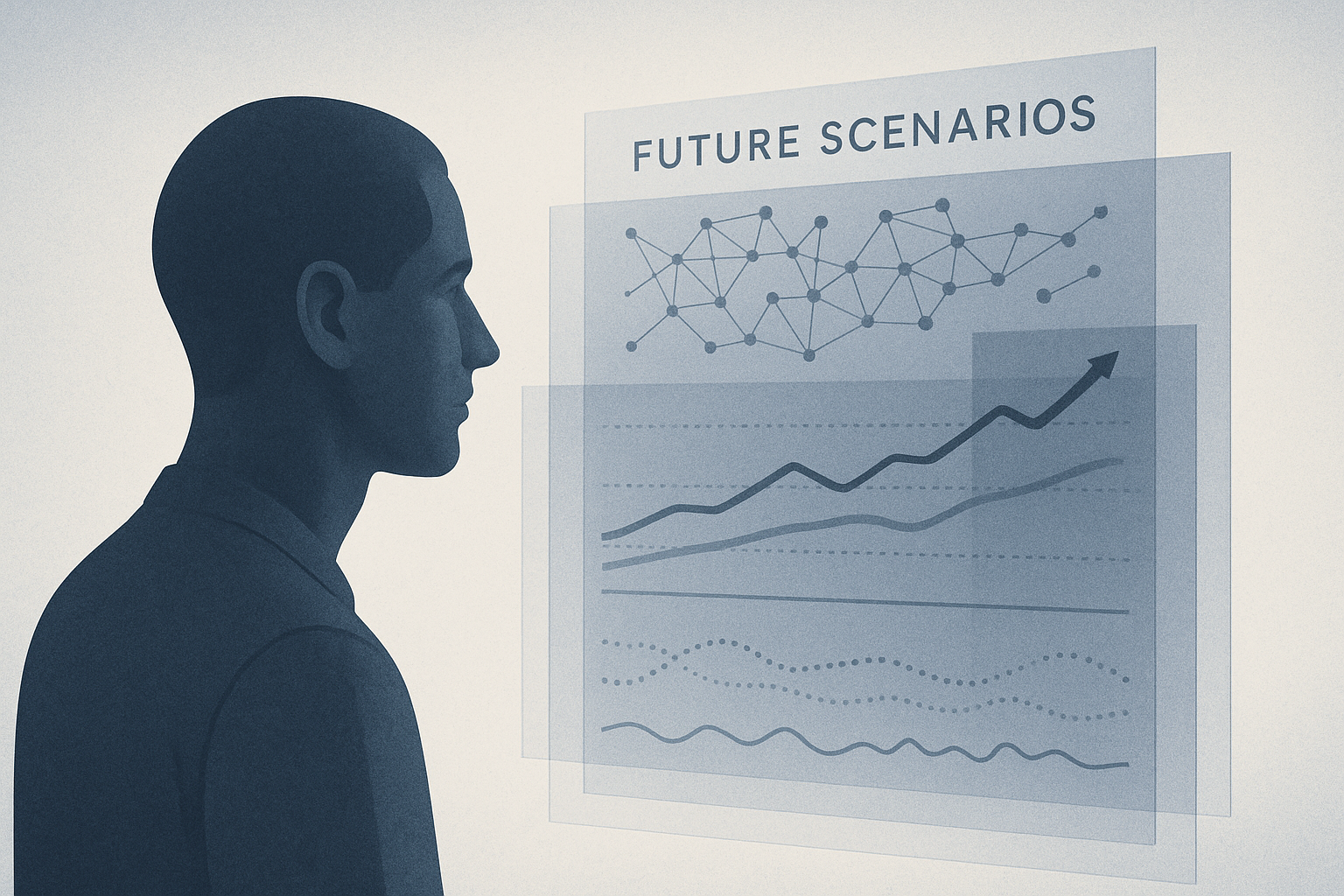
Umanindex returns scores and profiles. To turn them into autonomy, use this logic:
- If axis_stress_load is high: identify one primary source of pressure (role, conflict, deadlines, uncertainty) and assess which elements are negotiable (timelines, standards, boundaries, delegation). Load is reduced more through structural changes than through “willpower.”
- If axis_recovery_debt is high: don’t look for “more energy”; look for restoration. Effective recovery is specific: regular sleep, decompression without screens, short but real breaks, reduced evening stimulation. Recovery debt is paid with interest.
- If axis_cognitive_overload is high: reduce the number of decisions and switches. Use a single list, uninterrupted work blocks, communication rules (batching), and an explicit prioritization criterion (e.g., “impact vs. urgency”).
If you want to go deeper, you can compare this profile with your Stress & Recovery Profile or with the Cognitive Hygiene Sheet. (Links are available only if they’re included in your Umanindex pathway.)
When it’s appropriate to seek support
Consider speaking with a professional if you notice one or more persistent issues: significant insomnia, panic attacks, unmanageable intrusive thoughts, increasing use of alcohol/substances to “cope,” thoughts of self-harm, marked isolation, or a significant decline in functioning at work or in relationships. This test can help you describe the problem more clearly; it does not replace care.