Natural Rhythms & Environmental Exposure
Isolation from the natural environment: impact on stress, recovery, and cognitive overload
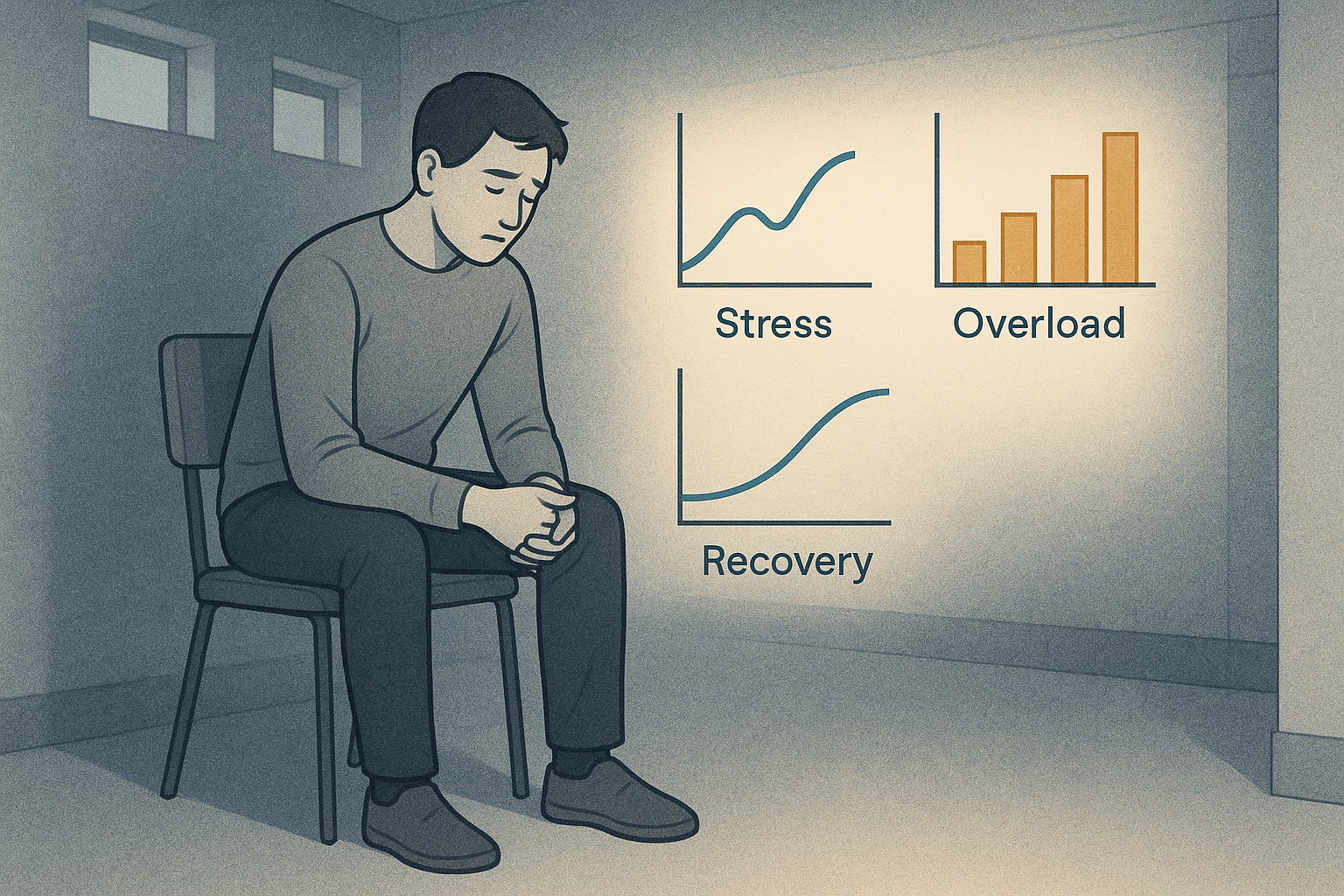
Assess how limited exposure to natural light, greenery, and varied environmental stimuli affects stress load, recovery debt, and cognitive overload. Results designed to support awareness and autonomy.
Why measure isolation from the natural environment
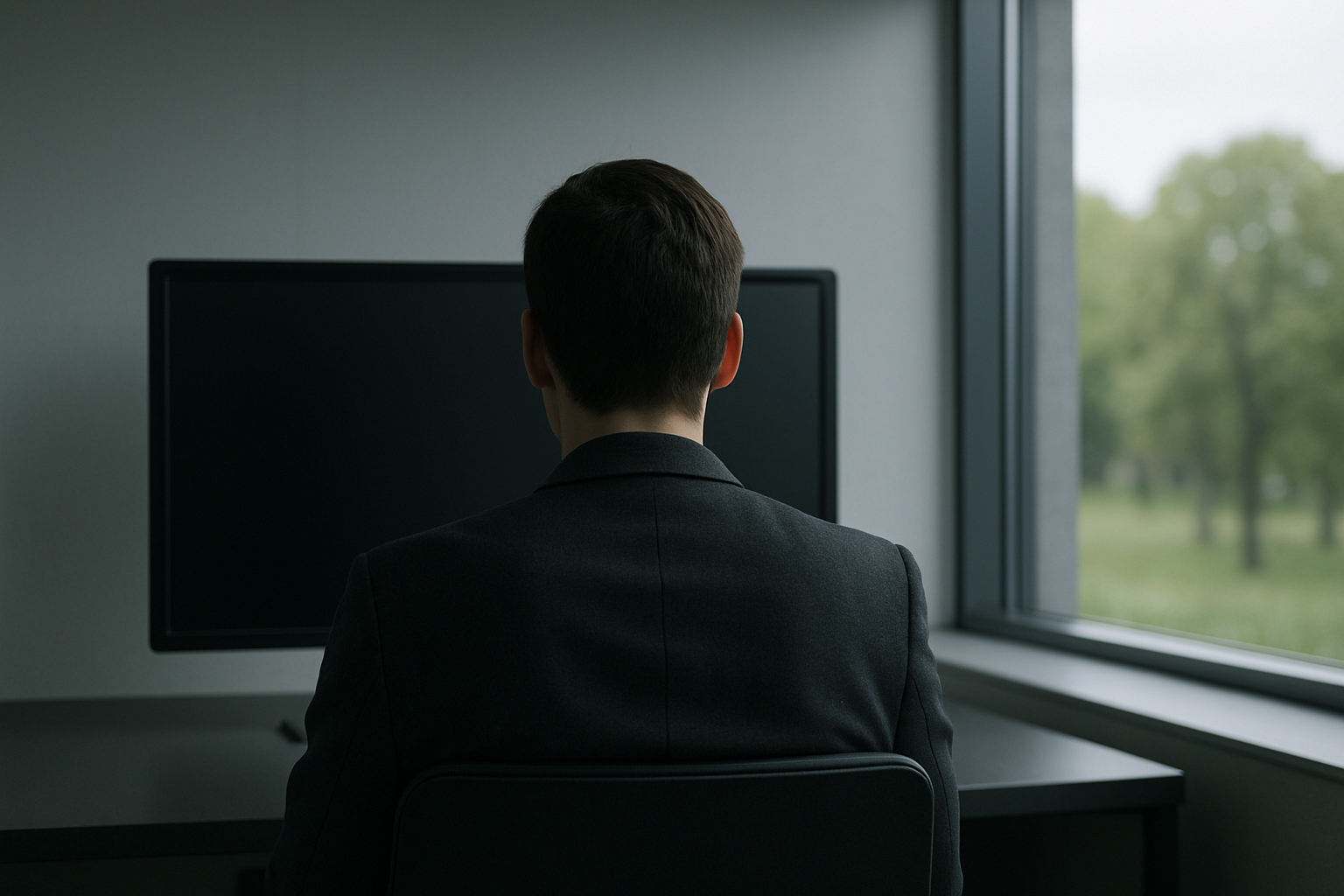
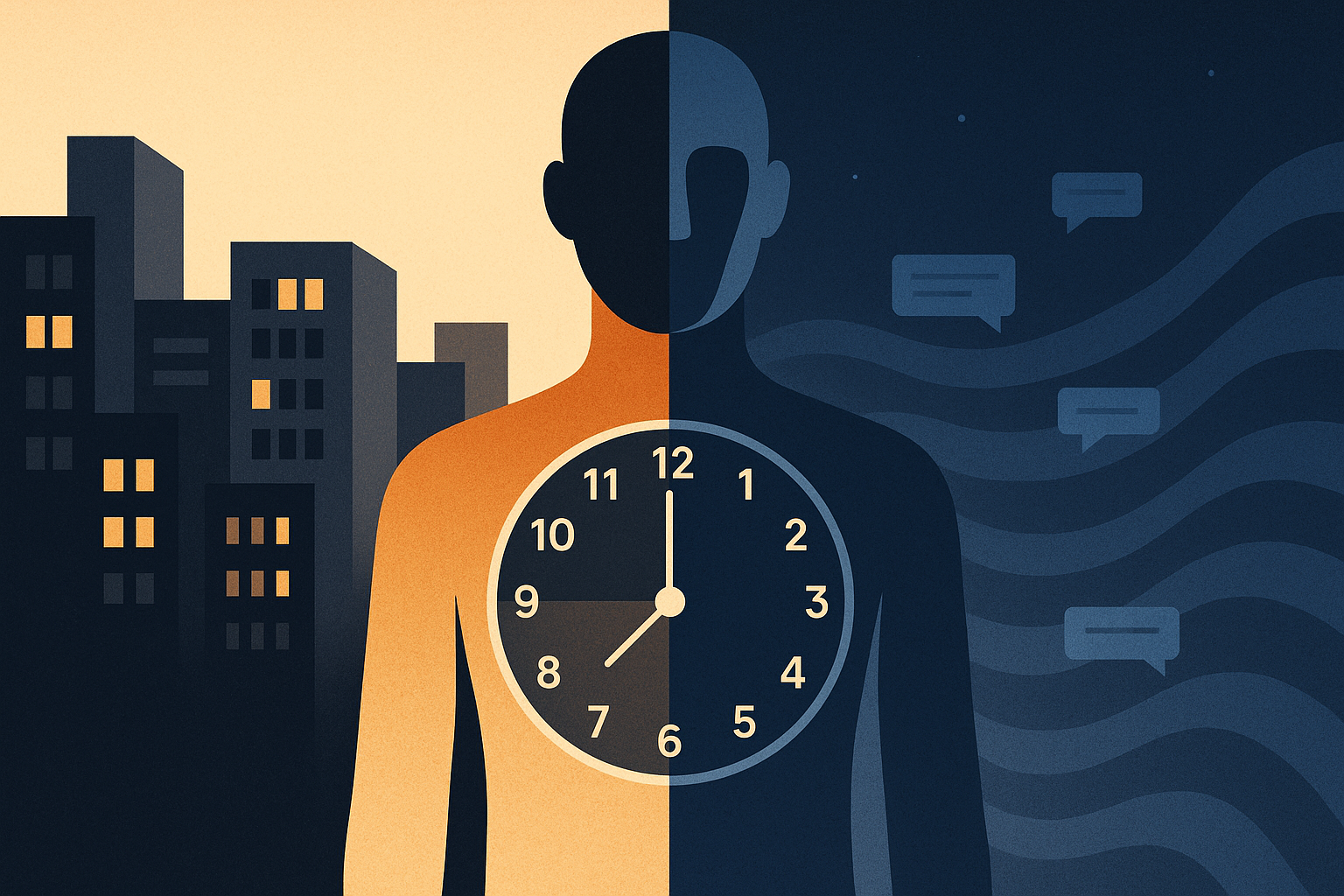
Isolation from the natural environment is not simply “spending little time outdoors.” It is a condition of low sensory variability (light, visual depth, non-artificial sounds, subtle body movements in space), reduced exposure to circadian cues (daylight, day/night alternation), and limited contact with elements of nature (greenery, water, horizons). This combination can act as a silent amplifier of three dynamics: increased stress load, the accumulation of recovery debt, and greater cognitive overload.
This test does not diagnose medical conditions. It is designed to make recurring patterns visible and to distinguish between: (1) “event-driven” stress, (2) “environment-driven” stress, and (3) attentional fatigue and insufficient recovery.
What the test assesses (three axes)
- Stress load (axis_stress_load): the extent to which your body and behavior are in a state of alert or under continuous pressure, even without a single triggering event.
- Recovery debt (axis_recovery_debt): the extent to which actual recovery (sleep, decompression, physiological downshifting) falls short of the accumulated load.
- Cognitive overload (axis_cognitive_overload): the extent to which attention, working memory, and decision-making capacity are saturated, with signs of “mental noise” and reduced flexibility.
How to answer (to get a useful profile)
- Answer with the last 2–4 weeks in mind, not your best or worst day.
- If you work indoors, also consider commutes, breaks, morning light exposure, and the quality of your spaces (windows, visual depth, noise).
- When you’re unsure between two options, choose the one that describes what happens more often.
Interpretation: what “isolation” means in practice
A critical profile does not necessarily indicate a “lack of willpower.” It often means the environment provides few regulatory cues: insufficient daylight, sensory monotony, no visual horizon, enforced sedentary behavior, continuous artificial noise. In these contexts, the attentional system tends to consume more resources to maintain performance and self-control, while recovery becomes less efficient.
If you want to explore the underlying mechanisms, you can consult: circadian rhythms and environmental cues and recovery hygiene.
Expected result
At the end, you will receive a three-axis profile with typical behavioral indicators. The goal is to identify where environmental isolation is weighing most heavily: on alertness (stress), on the ability to recharge (recovery), or on mental saturation (overload). This allows you to intervene with clearer priorities, avoiding generic fixes.
Frequently asked questions
Does “isolation from the natural environment” necessarily mean living in a city?
No. You can live in a green area and still be isolated if you spend most of your time indoors, with artificial light, limited visual depth, and low sensory variability. The test measures real exposure and the quality of environmental cues, not your ZIP code.
How important is natural light compared to “green” (parks, trees, etc.)?
They’re two different channels. Daylight is a primary cue for circadian rhythms and affects alertness and sleep. Green spaces and natural environments often influence attentional fatigue, emotional regulation, and the quality of decompression. A deficit can exist in only one of the two channels.
If I have high stress, will the test automatically say I’m lacking nature?
No. The test separates environmental exposure from stress/recovery/overload signals. It’s possible to have high stress due to relationship or work causes with adequate nature exposure; or moderate stress but a high recovery debt in prolonged indoor contexts.
What’s the difference between recovery debt and cognitive overload?
Recovery debt is about insufficient recharging (non-restorative sleep, ineffective decompression, difficulty “winding down”). Cognitive overload is about saturation of mental resources (too many decisions, fragmentation, information noise). They can coexist, but they’re not the same thing.
How reliable is a self-assessment test on these topics?
It’s reliable for identifying recurring subjective patterns and behavioral signals, especially if you answer based on a 2–4 week period. It doesn’t replace clinical or instrumental measurements (e.g., actigraphy, sleep assessments, diagnosis). It’s meant to guide awareness and priorities.
What can I do if my profile is critical on all three axes?
In general, it’s best to intervene in sequence: (1) stabilize circadian cues (daylight and evening darkness), (2) create micro-windows of real recovery (breaks that reduce activation, not just a “digital break”), (3) reduce fragmentation and decision load. If symptoms include persistent insomnia, intense anxiety, or a marked drop in functioning, it’s appropriate to consider a clinical consultation.
Does the test also consider noise pollution and air quality?
Indirectly, through indicators of irritability, fatigue, and difficulty recovering. It’s not an environmental measurement: if you suspect a significant impact (nighttime noise, poor indoor air), it may be useful to add objective data or specific assessments.