Assess habits and micro-decisions that make appliance use inefficient. Identify hidden patterns, stress load, recovery debt, and cognitive overload linked to household management.
Why this test isn’t (just) about kWh
Inefficient use of household appliances rarely comes down to “technical ignorance.” More often, it stems from repeated patterns: rushed decisions, outdated routines, fragmented household management, and a series of micro-compromises that seem harmless but, over time, increase consumption, costs, and day-to-day friction.
This test is designed to highlight three dimensions that tend to reinforce one another:
- Stress load: when household management becomes reactive (urgencies, “I have to do it now,” avoidable mistakes).
- Recovery debt: when the home requires mental energy even outside operational moments (rumination, a sense of backlog, decision fatigue).
- Cognitive overload: when too many variables (programs, temperatures, cycles, maintenance, deadlines) exceed your capacity to manage them and lead to shortcuts.
What it really measures
The questions aren’t looking for “the right answer.” They map how you make decisions when you use the washing machine, dishwasher, oven, refrigerator, dryer, small appliances, and devices on standby. The goal is to identify:
- Triggers (what makes you deviate from the efficient choice: hurry, hygiene anxiety, habit, uncertainty, conflicts at home).
- Loops (actions that create consequences that make you more likely to repeat them: e.g., “just in case” washes → more laundry → more urgency → quick, hot washes).
- Breaking points (moments when you lose control: work peaks, evenings after getting home, weekends, guests, children, shifts).
How to answer (to get a useful profile)
- Answer with the last 2–4 weeks in mind, not how it “should” be.
- If you live with other people, consider the real average of household practices, not just your intentions.
- When you’re torn between two options, choose the one that happens more often on difficult days.
Note: this test does not replace a technical diagnosis of your appliances (faults, leaks, energy rating). Here we analyze the behavioral and organizational component that, even with efficient appliances, can still generate waste.
Interpreting the results: what to expect
At the end, you’ll get a profile on three axes:
- axis_stress_load: how much appliance management is driven by urgency, pressure, and reactivity.
- axis_recovery_debt: how much “residual fatigue” remains after household management (mental, organizational, emotional).
- axis_cognitive_overload: how much complexity you’re managing and how often you resort to shortcuts due to overload.
A high score isn’t a failing: it’s an indicator of systemic friction. The lever isn’t “trying harder,” but reducing variability, repeated decisions, and operational ambiguity.
Related deep dives (if you want to keep going)
Frequently asked questions
Does this test measure how much I spend on my energy bill?
No. It doesn’t estimate kWh or costs. It measures decision-making and organizational patterns that increase the likelihood of inefficient use (non-optimal cycles, repetitions, standby, neglected maintenance) and their impact on stress, recovery, and cognitive overload.
If I have new, efficient appliances, does it still make sense to take it?
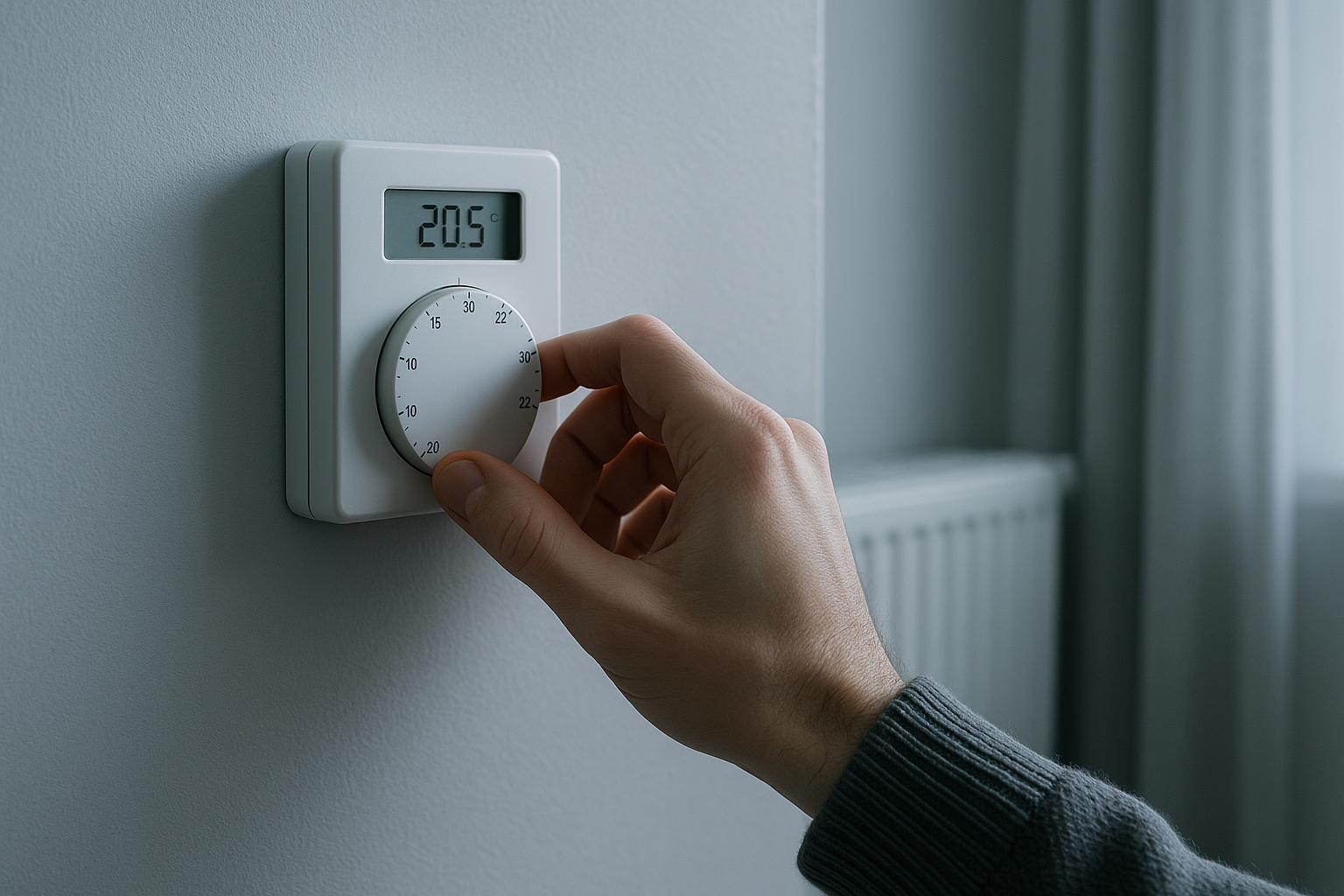
Yes. A higher energy rating reduces consumption for the same use, but it doesn’t automatically fix habits like half loads, excessively high temperatures, routine pre-washes, frequent fridge opening, avoidable tumble-drying, or reactive cycle management.
Why do you include stress and mental load in a test about appliances?
Because many inefficient choices are cognitive shortcuts: when you’re under pressure, you explore fewer options and choose what “ends the problem” fastest (even if it costs more). Stress and overload increase the likelihood of repeating high-consumption behaviors.
How reliable are the answers if I live with other people?
They’re useful if you answer based on what really happens at home. If behaviors are shared among multiple people, the test captures the household system: coordination, implicit rules, conflicts, and lack of shared standards.
Will the test tell me what to do in practical terms?
It gives you a profile and the most likely friction points. Practical actions depend on your dominant axis: for example, with high cognitive overload the priority is reducing variability and decisions; with high stress it’s stabilizing triggers and urgency; with high recovery debt it’s eliminating recurring “spillover” and backlogs.
What’s the most common mistake that leads to waste without realizing it?
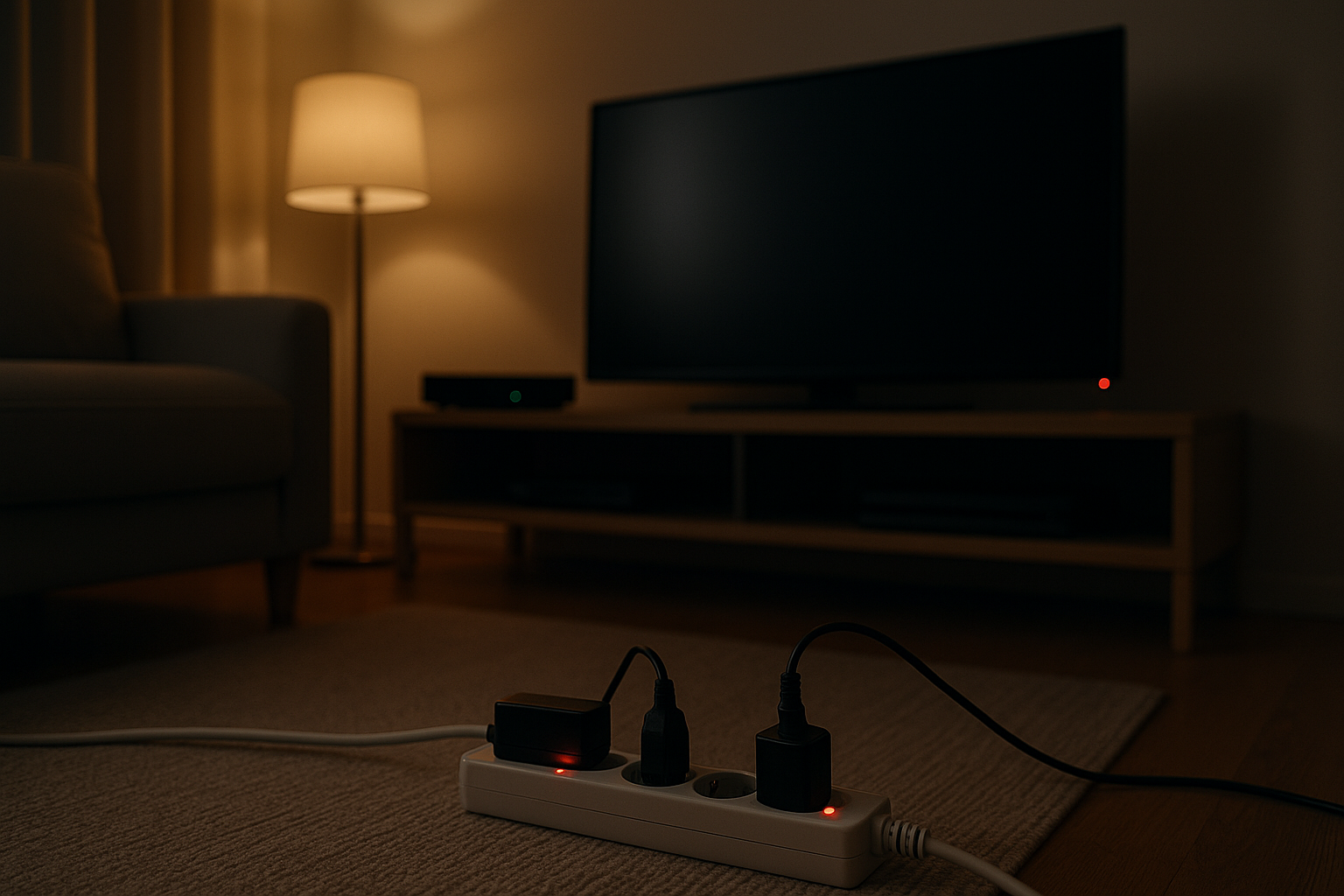
A combination of repeated micro-inefficiencies: half loads, cycles hotter than necessary, using the dryer as the default, widespread standby, postponed maintenance (filters, seals), and “interruption-based” management (start/stop, reopening, rescheduling). Individually they seem negligible; together they become systemic.
How long does it take to complete?
On average 6–9 minutes, if you answer thinking about the last few weeks and not exceptional cases.
Do I need to know appliance programs and technical specifications?
No. The questions are designed to work even without technical knowledge. If you don’t know a detail (e.g., the exact temperature), answer based on typical behavior (e.g., “I tend to choose longer/hotter cycles to be safe”).