
Emotional Regulation & Psychological Well-Being

Frequent mood swings: a map of load, recovery, and cognitive overload

15 questions 8 min103 people have taken this test
Frequent mood swings: a map of load, recovery, and cognitive overload

Assess patterns and factors that fuel frequent mood swings: stress load, recovery debt, and cognitive overload. Results designed to support awareness and autonomy.

Sign up or log in to take the test

Registration is required to start any test.

What this test analyzes

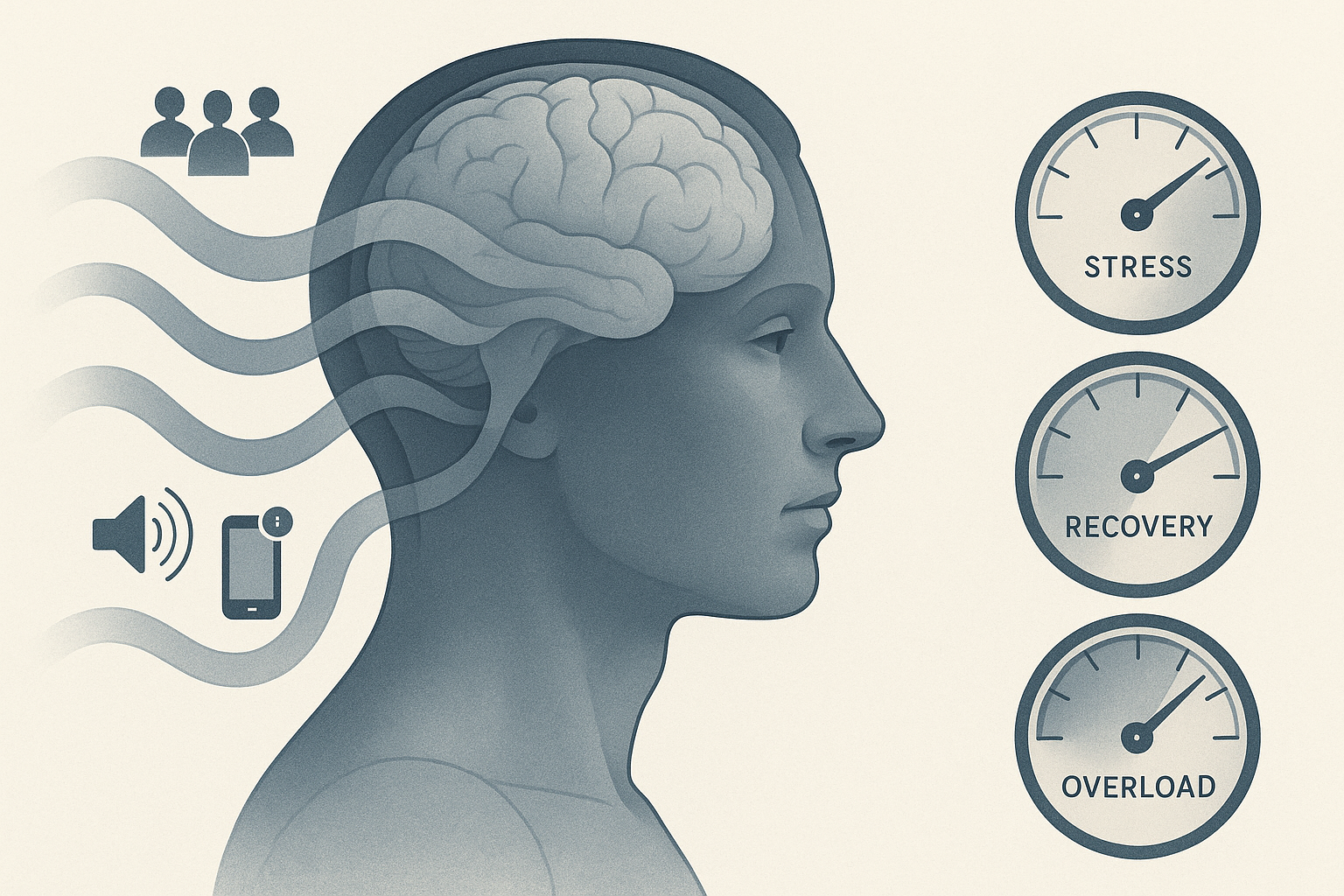
Estimates the intensity and persistence of demands (both external and internal) and the signs of physiological activation/reactivity that can lower the emotional threshold.
Estimates how much recovery you’re missing: sleep quality, restorative breaks, decompression, and your ability to return to baseline after an emotional spike.
Estimates mental overload: multitasking, interruptions, decision fatigue, rumination, and reduced executive capacity needed to regulate emotions and behavior.

Why a Mood Swings Test (Without Trivializing Them)

Frequent mood swings are not a “character flaw,” nor are they a label that’s useful on its own. They’re often a signal of variability in the systems that regulate energy, attention, stress, and recovery. In practice, mood can shift quickly when the brain and body are negotiating resources (sleep, mental load, social demands, internal pressure) with reduced safety margins.

This test is not intended to diagnose. It’s meant to map patterns and to distinguish three forces that, when combined, increase the likelihood of emotional fluctuations:

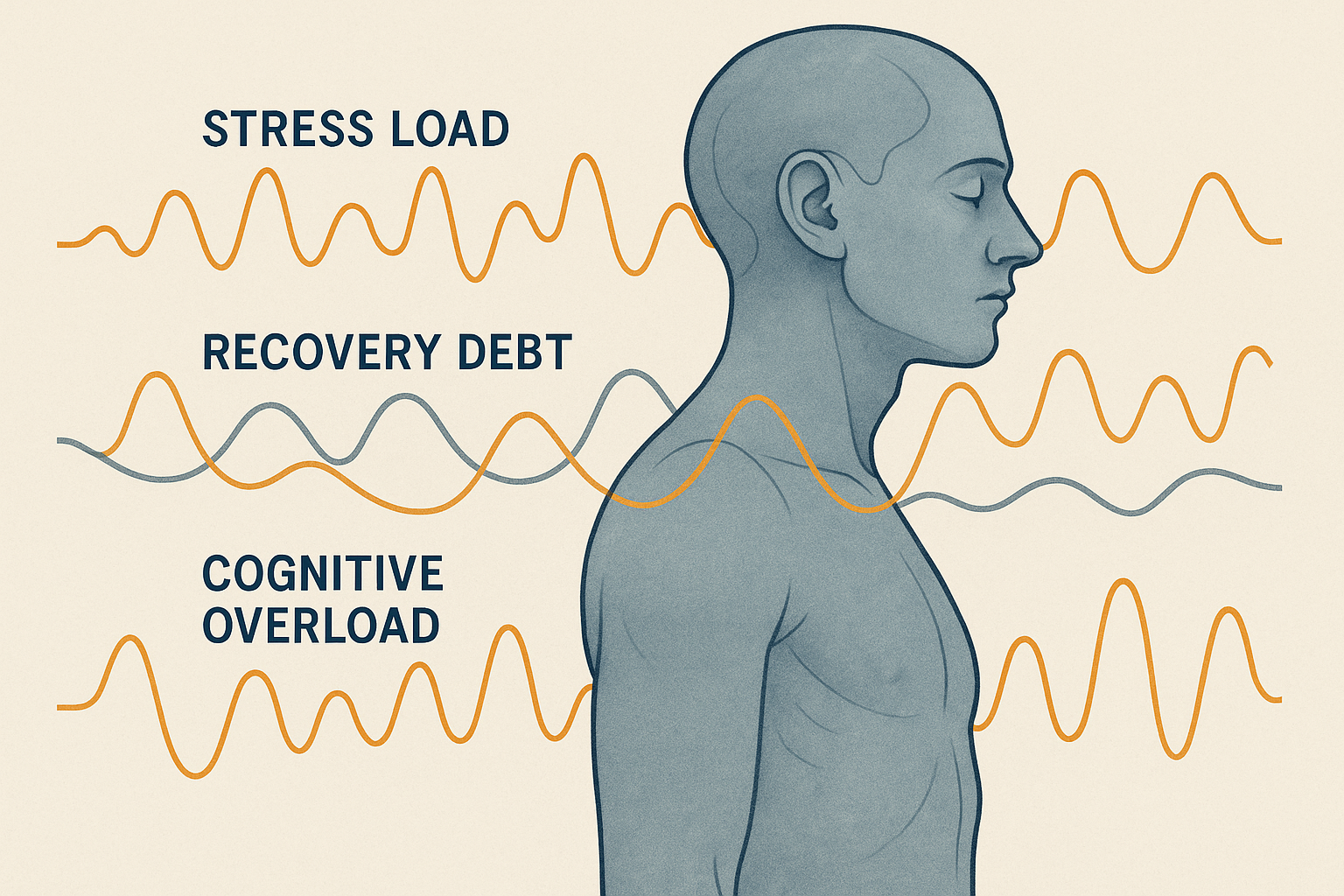
  • axis_stress_load: how much load (internal/external) you’re carrying.
  • axis_recovery_debt: how much recovery you’re missing (sleep, breaks, decompression, physiological restoration).
  • axis_cognitive_overload: how much cognitive saturation you’re accumulating (decisions, multitasking, information noise, rumination).

What We’re Really Measuring: Variability, Threshold, and “Cost”

When mood changes often, the useful question isn’t only “why is this happening to me?” but:

  1. How wide is the variability? (speed of shifts, intensity, duration)
  2. How low is the threshold? (small triggers that provoke big reactions)
  3. What is the cost? (relationships, work, self-control, health)

The test uses brief behavioral and physiological questions (sleep, attention, irritability, reactivity) to estimate where instability is being generated. It’s not a judgment—it’s an operational map.

Completion Instructions (for More Reliable Data)

  • Answer with the last 2 weeks in mind (not a single “off” day).
  • If you’re unsure between two options, choose the more frequent one.
  • Consider both private and public contexts: mood swings often change “shape” depending on the environment.

How to Read the Results: Three Axes, One Profile

The final profile combines the three axes. Some examples of interpretation (not exhaustive):

  • High stress load + High recovery debt: swings driven by exhaustion and reduced tolerance for stimuli.
  • High cognitive overload with moderate stress: unstable mood due to saturation (too many decisions, too many inputs, rumination).
  • High recovery debt with low perceived stress: possible ineffective recovery (non-restorative sleep, “packed” breaks, no decompression).

If you’d like to explore the physiological side of recovery further, you can also use the internal placeholder: sleep and recovery.

Limits and Safety

This test does not replace a clinical assessment. If mood swings include thoughts of self-harm, dangerous impulsivity, severe insomnia, or rapid worsening, it’s advisable to speak with a healthcare professional.
Frequently asked questions

Can this test tell me if I have a mood disorder?
No. The test is not diagnostic. It is meant to identify patterns compatible with emotional instability related to stress load, recovery debt, and cognitive overload. If symptoms are intense, persistent, or risky, clinical evaluation remains the reference.
Why do you consider recovery (axis_recovery_debt) separately from stress?
Because stress and recovery are not perfect opposites. You can have moderate stress but insufficient recovery (fragmented sleep, non-restorative breaks), or high stress but effective recovery. Mood stability often depends on the recovery margin available, not only on the load.
What do you mean by cognitive overload (axis_cognitive_overload)?
It is the saturation of attentional and executive resources: too many decisions, multitasking, interruptions, information noise, rumination. When the cognitive system is saturated, emotional regulation becomes more costly and mood can fluctuate more easily.
If my mood swings are related to my cycle, is the test still useful?
Yes, as a context map. Even when hormonal factors exist, stress load, recovery, and cognitive saturation can amplify or reduce variability. The test does not separate specific biological causes, but it helps you understand what has been increasing vulnerability over the last two weeks.
How much does sleep matter compared to the other factors?
It often matters a lot, but not always in the same way. Insufficient sleep lowers tolerance, increases reactivity, and worsens attentional control. However, even with adequate sleep, high cognitive overload can sustain emotional instability.
What does it mean if I relate to many questions but still 'function' anyway?
It may indicate compensation: you are maintaining performance through high effort, control, and containment strategies. In these cases, the cost may show up as irritability, sudden drops, somatic symptoms, or a need for isolation. The test helps estimate where you are paying the price.
How often does it make sense to repeat the test?
Generally every 2–4 weeks, or after significant changes (new workload, sleep changes, stressful periods). Repeating it too often can confuse interpretation because mood has short-term physiological fluctuations.

Recommended tests

All tests