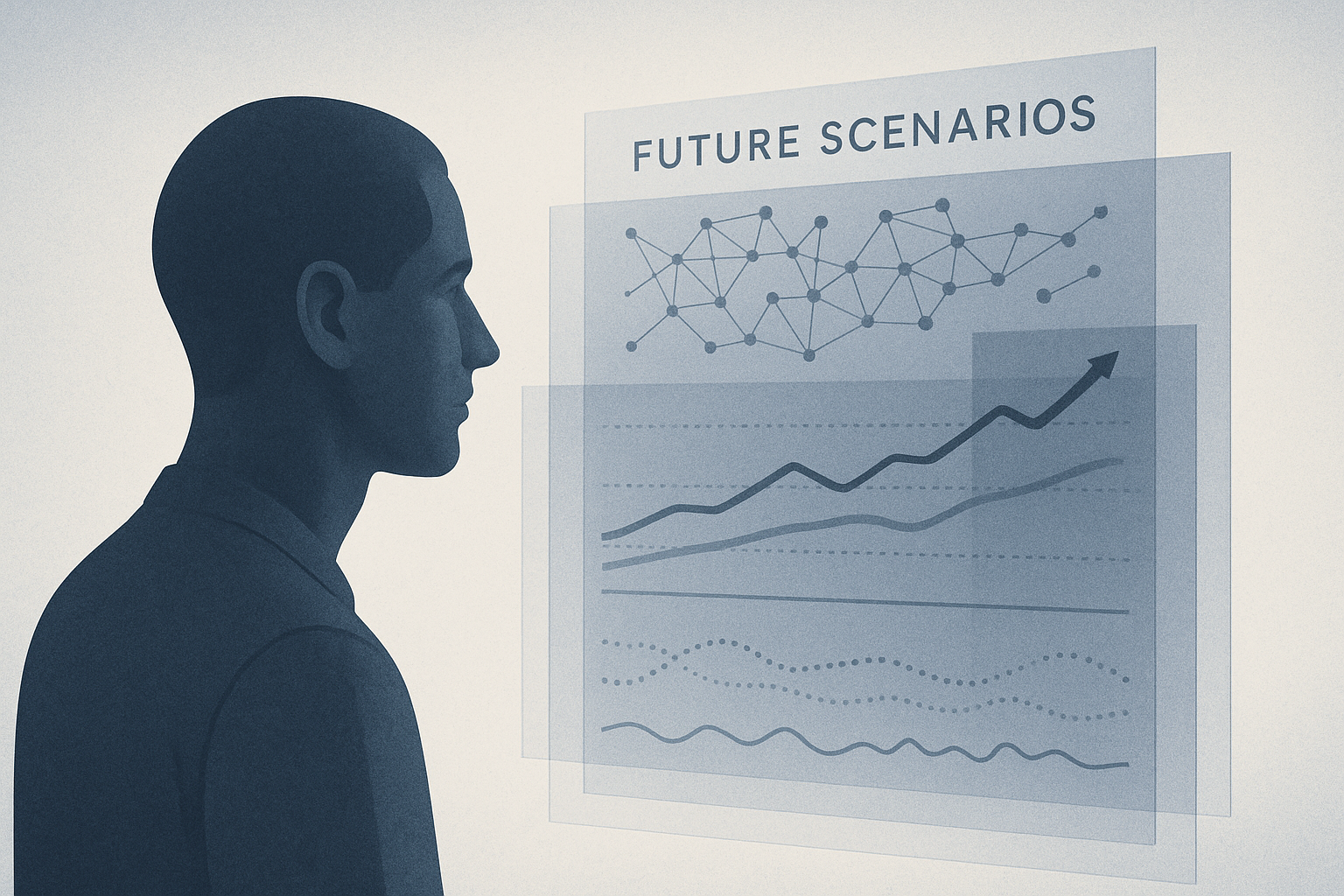
Why this test exists
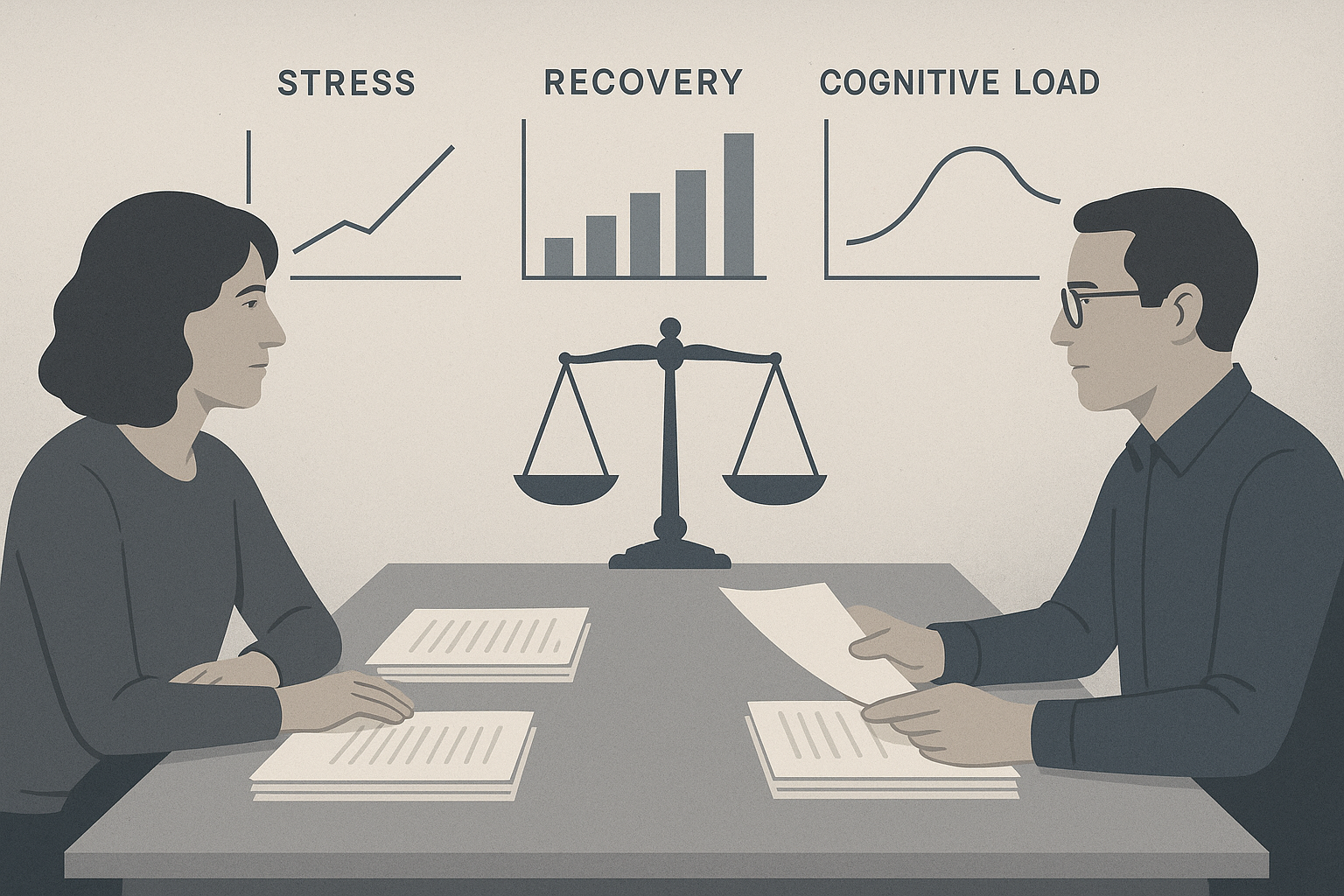
In leadership contexts, goal focus isn’t a “character trait”: it’s a dynamic balance between stress load, recovery capacity, and cognitive load management. When one of these systems becomes unbalanced, the mind tends to do what is biologically economical: reduce depth, shorten the time horizon, and react to noise.
This test doesn’t measure “how good you are.” It maps recurring patterns that often remain invisible because they’ve been normalized (hyper-operational mode, chronic urgency, multitasking, rushed decisions, avoidance of difficult conversations). The goal is to help you see where you lose traction and why.
What it assesses (operationally)
- Focus stability: the ability to maintain a coherent line of action despite interruptions, ambiguity, and social pressure.
- Priority quality: the difference between “doing a lot” and “doing what actually moves the goal forward.”
- Decision noise: how much stress and overload distort judgment, working memory, and inhibitory control.
- Recovery: signs of physiological debt (sleep, decompression, ability to downshift) that directly affect cognitive performance.
How to answer (to get a useful profile)
- Think about the last 2–3 weeks, not your “ideal average.”
- Answer with real situations in mind (meetings, deadlines, conflicts, decisions).
- If you’re torn between two options, choose the one that describes what happens most often under pressure.
Note: this test is not a diagnostic tool. If you notice persistent signs of exhaustion, severe insomnia, or debilitating anxiety, consider speaking with a healthcare professional.
Interpretation: what it means to “lose focus”
Losing focus is rarely laziness. More often, it’s a combination of:
- High stress load: prolonged activation that narrows attention to the short term and increases reactivity.
- Recovery debt: insufficient recovery that reduces cognitive flexibility, frustration tolerance, and accuracy.
- Cognitive overload: too many simultaneous variables that saturate working memory and increase prioritization errors.
The final profile will help you distinguish whether your main issue is external pressure, work architecture, or recovery physiology. They often coexist, but one of the three tends to drive the others.
If you want to go deeper (optional)
You can cross-check this result with other signals of day-to-day functioning. If available on the platform, also see: stress profile and energy and recovery.