Finance & Economic Resilience
Test: Family Financial Insecurity (patterns, stress, and recovery capacity)
Assess how family financial insecurity affects stress, recovery debt, and cognitive overload. Identify hidden patterns, physiological and behavioral signals, and areas of vulnerability.
Why this test exists
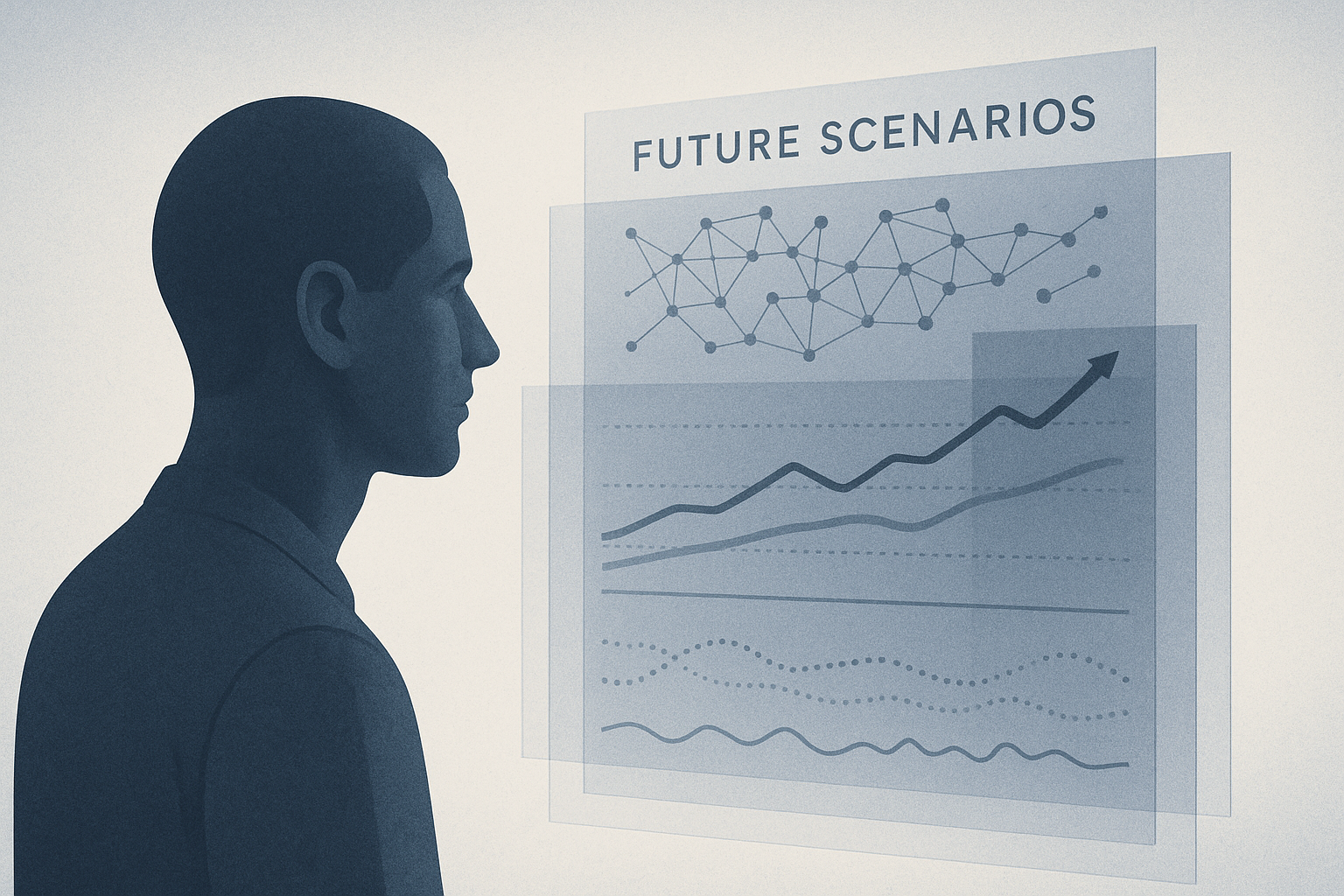
Family financial insecurity isn’t just an “external” condition (income, expenses, debt). It’s also a system of signals that the body and mind interpret as risk: the risk of losing control, status, protection, continuity. Over time, that interpretation can produce stable patterns (overcontrol, avoidance, conflict, decision paralysis) that depend not only on the numbers, but on how the family system manages uncertainty, responsibility, and communication.
This test doesn’t measure “how good you are with money.” It measures how financial insecurity translates into physiological and cognitive load, and how that load affects decisions, relationships, and your capacity to recover.
What it assesses (three required axes)
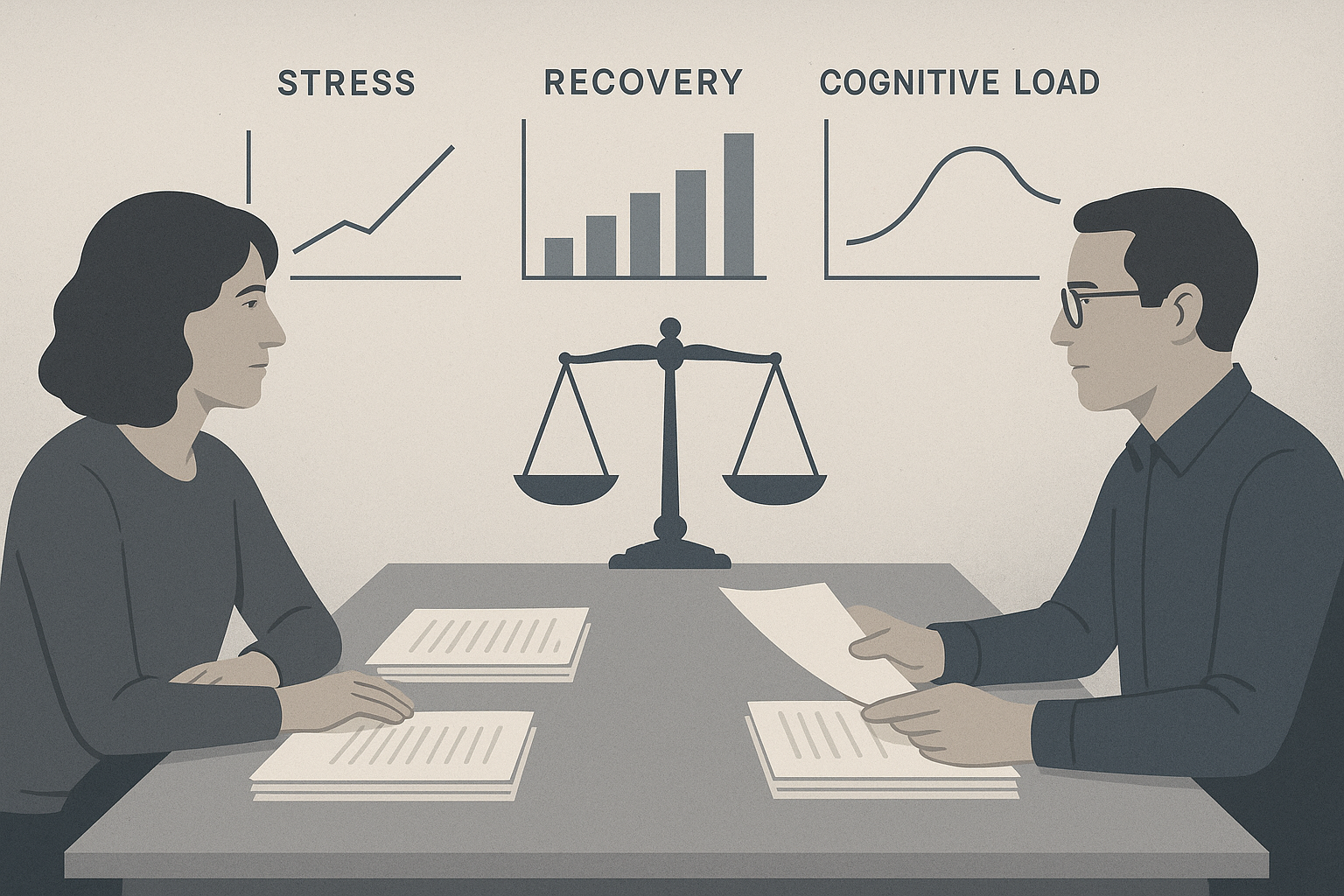
- Stress load (axis_stress_load): the intensity and frequency of money-related threat signals (worry, hypervigilance, tension, reactivity).
- Recovery debt (axis_recovery_debt): how much the system (sleep, energy, emotional regulation) is “paying interest” because it isn’t recovering enough after periods of pressure.
- Cognitive overload (axis_cognitive_overload): the saturation of attention and working memory due to micro-decisions, uncertainty, and financial rumination.
How to answer (to get a useful profile)
- Answer with the last 4–6 weeks in mind, not a single episode.
- If you live with family or as a couple, also consider patterns and conversations, not only your individual behavior.
- When you’re unsure between two options, choose the one that describes what happens more often, not what you wish would happen.
What you’ll get at the end
A profile across three axes with interpretive indicators: where financial insecurity is becoming a chronic load, where recovery debt is accumulating, and where cognitive noise is being created that worsens decisions. The goal is to increase autonomy: to understand which mechanisms are driving you, not just “what to do.”
Important note (limits and safety)
This test is a self-reflection tool, not a clinical or financial diagnosis. If signs of intense anxiety, persistent insomnia, panic attacks, or severe family conflict emerge, consider seeking professional support (medical/psychological and/or qualified financial advice).
Related deep dives (optional)
Frequently asked questions
What’s the difference between “financial insecurity” and “lack of money”?
Lack of money is an objective condition (income insufficient for needs). Financial insecurity is also a perception of instability: it can exist even with a decent income (variable earnings, debt, family responsibilities, fear of unexpected events) and it can amplify stress and defensive decision-making.
Why do you measure stress, recovery, and cognitive overload instead of doing a “budget” test?
Because many family financial difficulties persist not due to lack of information, but due to neurobehavioral effects: hypervigilance, avoidance, conflict, rumination, and decision fatigue. These factors shape the quality of choices and the ability to stick to a plan over time.
What is “recovery debt” in practical terms?
It’s the gap between the stress you accumulate and the recovery you’re able to get. It shows up as unrefreshing sleep, irritability, low energy, reduced tolerance for uncertainty, and greater reactivity in discussions about money.
Can cognitive overload make me spend worse?
Yes. When working memory is overloaded, mental shortcuts and impulsive or avoidant decisions increase: you postpone payments, ignore communications, make “repair” purchases, or you over-control irrelevant details and lose sight of priorities.
If the test shows high stress, does it mean I’m doing something “wrong”?
No. High stress indicates that your system is treating financial matters as a frequent threat. It can be a proportional response to real conditions. The value of the result is understanding where to intervene: reducing uncertainty, simplifying decisions, improving recovery, or renegotiating roles and communication within the family.
How reliable are the answers if we don’t talk openly about money in the family?
Silence is already data: it often increases ambiguity and mental load. Answer based on what you observe (tension, avoidance, conflicts, control). If possible, take the test again after a structured conversation: the changes between the two measurements are informative.
Is this test also suitable for people with variable income (freelancers, seasonal workers)?
Yes. In these cases, insecurity is often tied to volatility and forecasting. The test helps distinguish between “variability” stress and “management” stress, and to see how much variability is consuming recovery and attention.
How often does it make sense to repeat it?
Generally every 4–8 weeks, or after a significant change (job loss/new job, unexpected expenses, debt renegotiation, change in family setup). Repeating it too often can confuse normal fluctuations with real trends.