Why this test (and what it really measures)
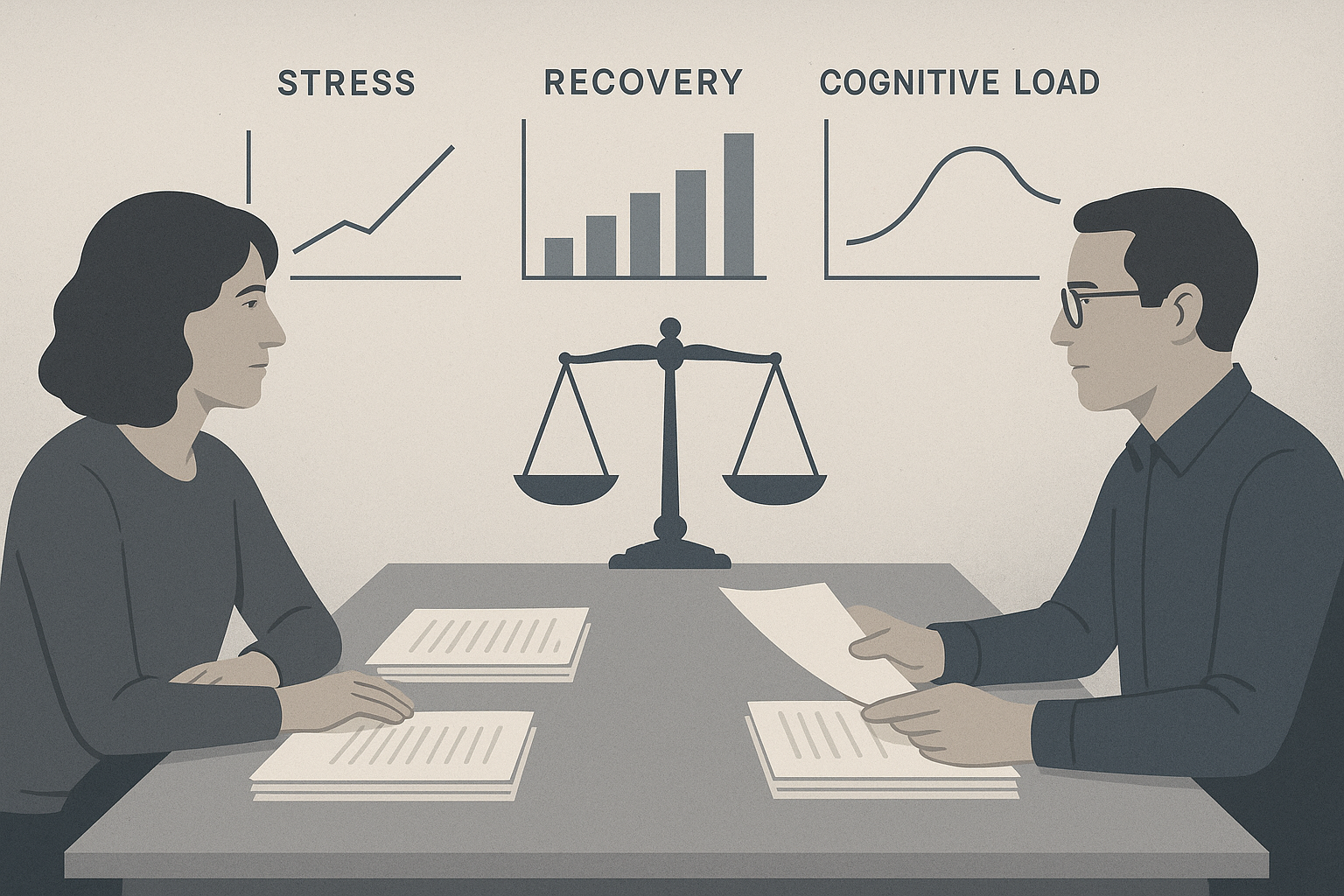
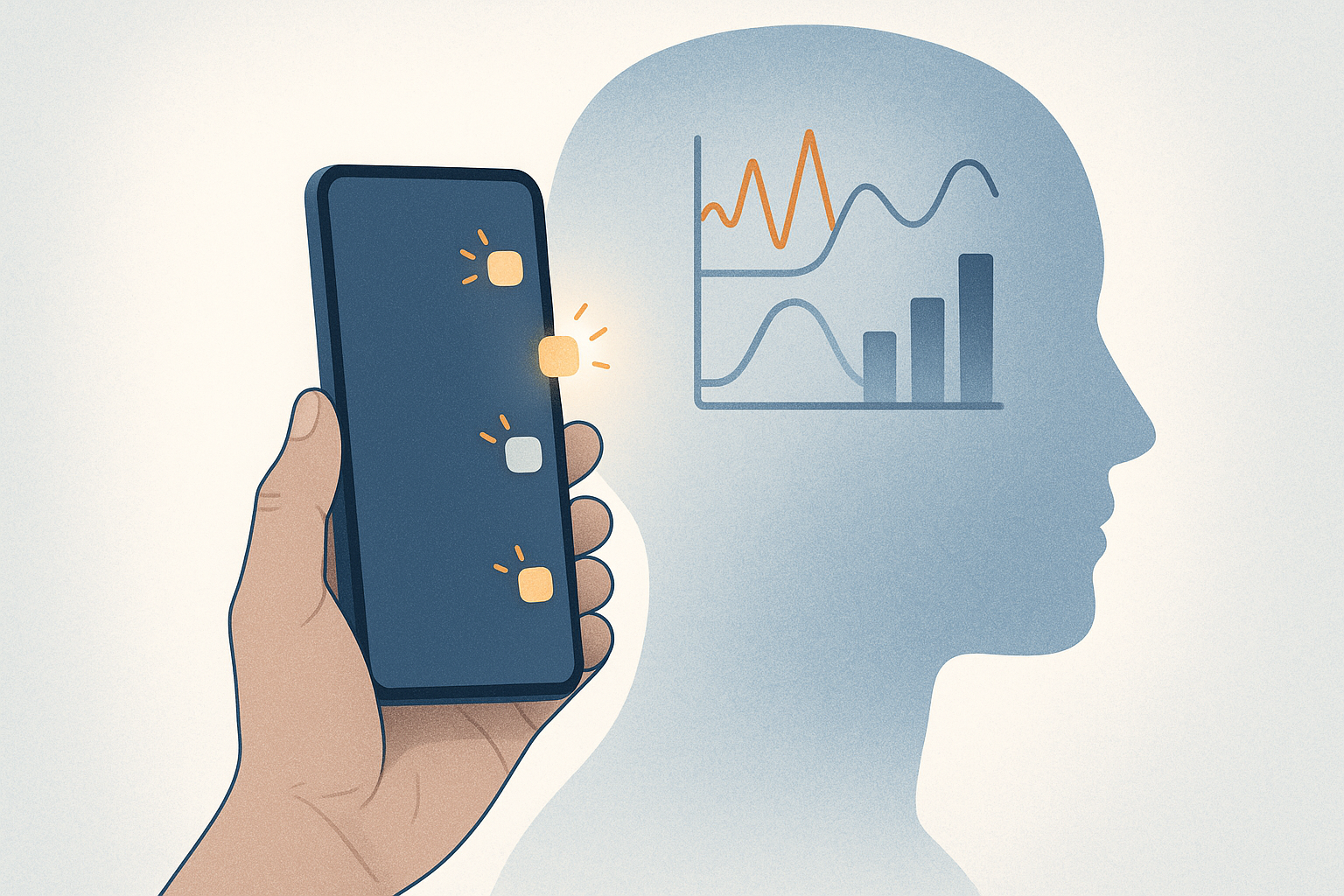
The smartphone isn’t “the problem” in itself: it’s an amplifier. It amplifies the availability of stimuli, the fragmentation of attention, instant access to quick rewards, and the pressure to respond. Over time, this can produce three measurable effects on day-to-day functioning:
- Stress load: increased reactivity, urgency, irritability, hypervigilance.
- Recovery debt: reduced quality of rest (sleep and micro-breaks), difficulty “switching off,” disproportionate fatigue.
- Cognitive overload: working-memory saturation, reduced depth of thought, difficulty maintaining a goal without interruptions.
This test isn’t meant to label you. It’s meant to make observable patterns that often remain invisible because they’ve been normalized (“it’s like this for everyone”).
How to answer to get a useful profile
- Answer with the last 2 weeks in mind, not a single “good” or “bad” day.
- Consider context and function: work, study, relationships, practical management. It’s not only about “how much” you use it, but how and when.
- If you’re unsure between two options, choose the one that describes what happens most often.
The three interpretation axes (profiling)
1) Stress load (stress-load-axis)
Measures how strongly smartphone use is associated with activation signals: urgency, reactivity to notifications, difficulty tolerating waiting or silence, and the feeling of “having to check.”
2) Recovery debt (recovery-debt-axis)
Estimates how much the smartphone interferes with recovery: fragmented sleep, unstable evening routines, micro-breaks replaced by scrolling, and difficulty deactivating the attentional system.
3) Cognitive overload (cognitive-overload-axis)
Assesses attention quality and working memory: multitasking, rapid switching between apps, losing your train of thought, difficulty sustaining deep work, and the feeling of a “full mind.”
Interpretation: early signals vs. established patterns
A high score on one of the three axes does not indicate “addiction” in the clinical sense. It indicates that, in your system, the smartphone is functioning as a driver (cause/trigger) or as compensation (a strategy for regulating emotions, boredom, anxiety, or fatigue).
In general:
- High stress without recovery debt: reactive use (notifications/urgencies) but recovery is still sufficient.
- High recovery debt: risk of chronic strain (degraded sleep and breaks), with cascading effects on mood and performance.
- High cognitive overload: fragmented attention; it often comes with poorer decision-making and more “silly” mistakes.
Responsibility note
This test is a self-assessment tool. If you recognize intense anxiety, persistent insomnia, depressive symptoms, or significant impairment in daily functioning, consider speaking with a qualified professional.