Why this test exists (and what it actually measures)
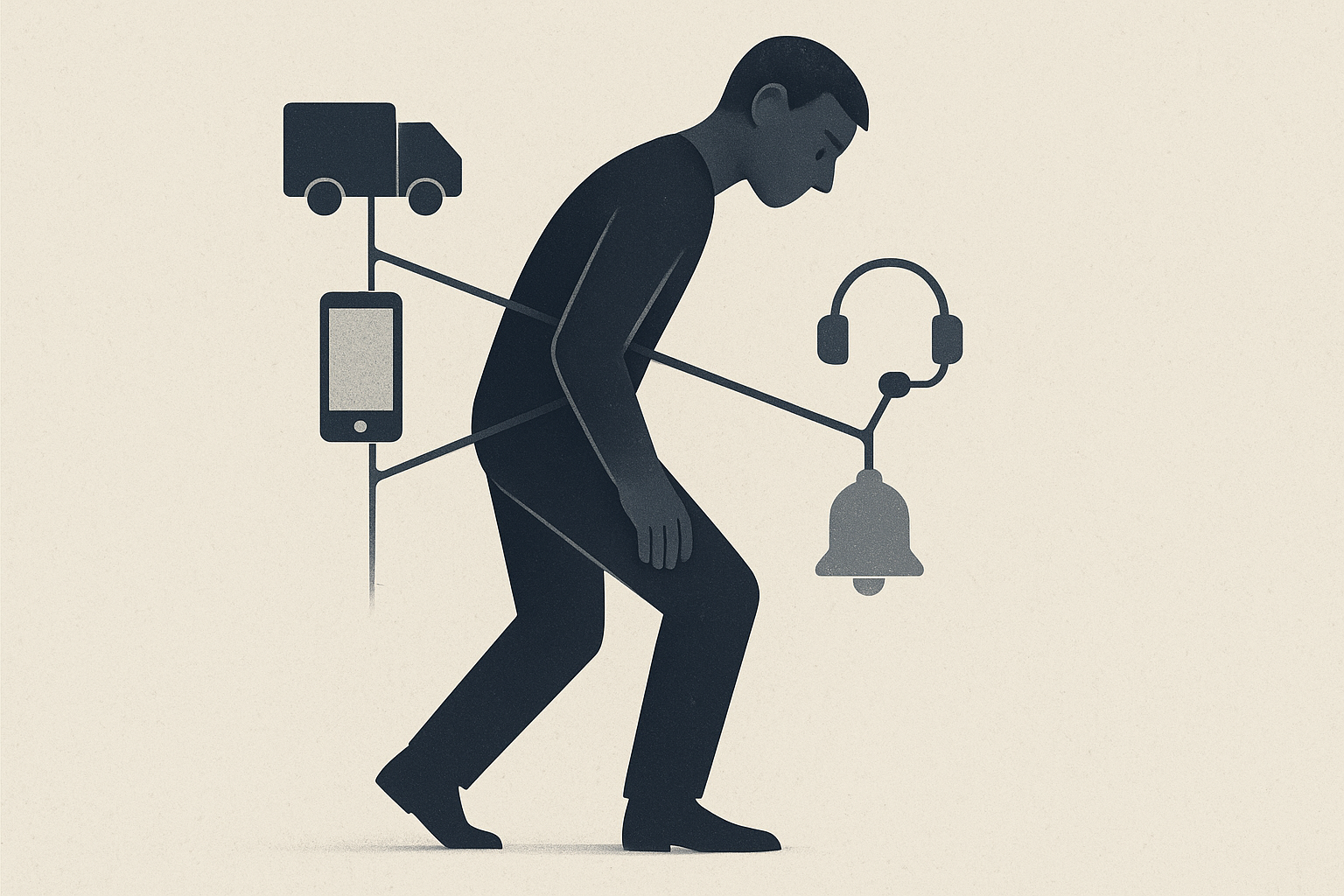
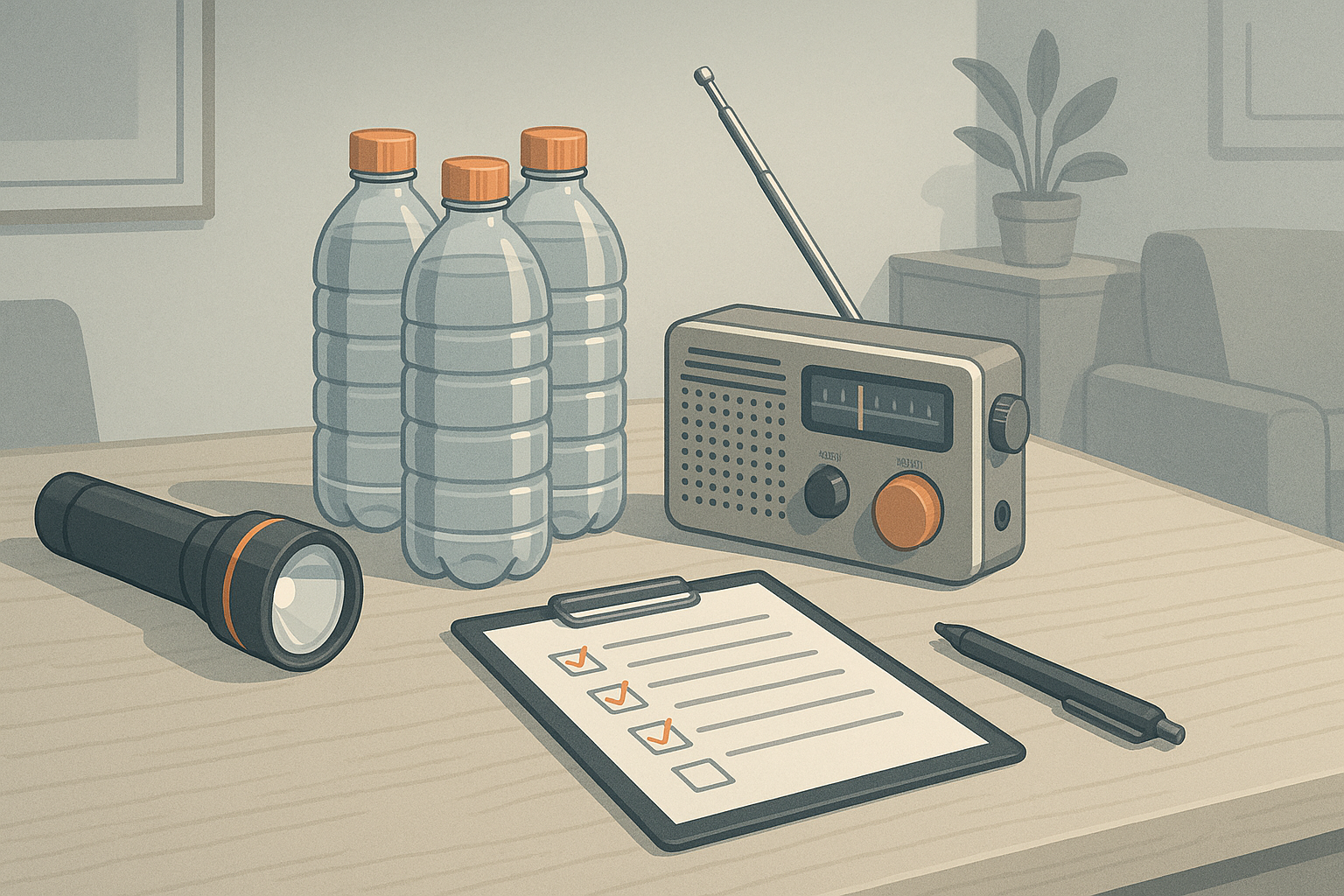
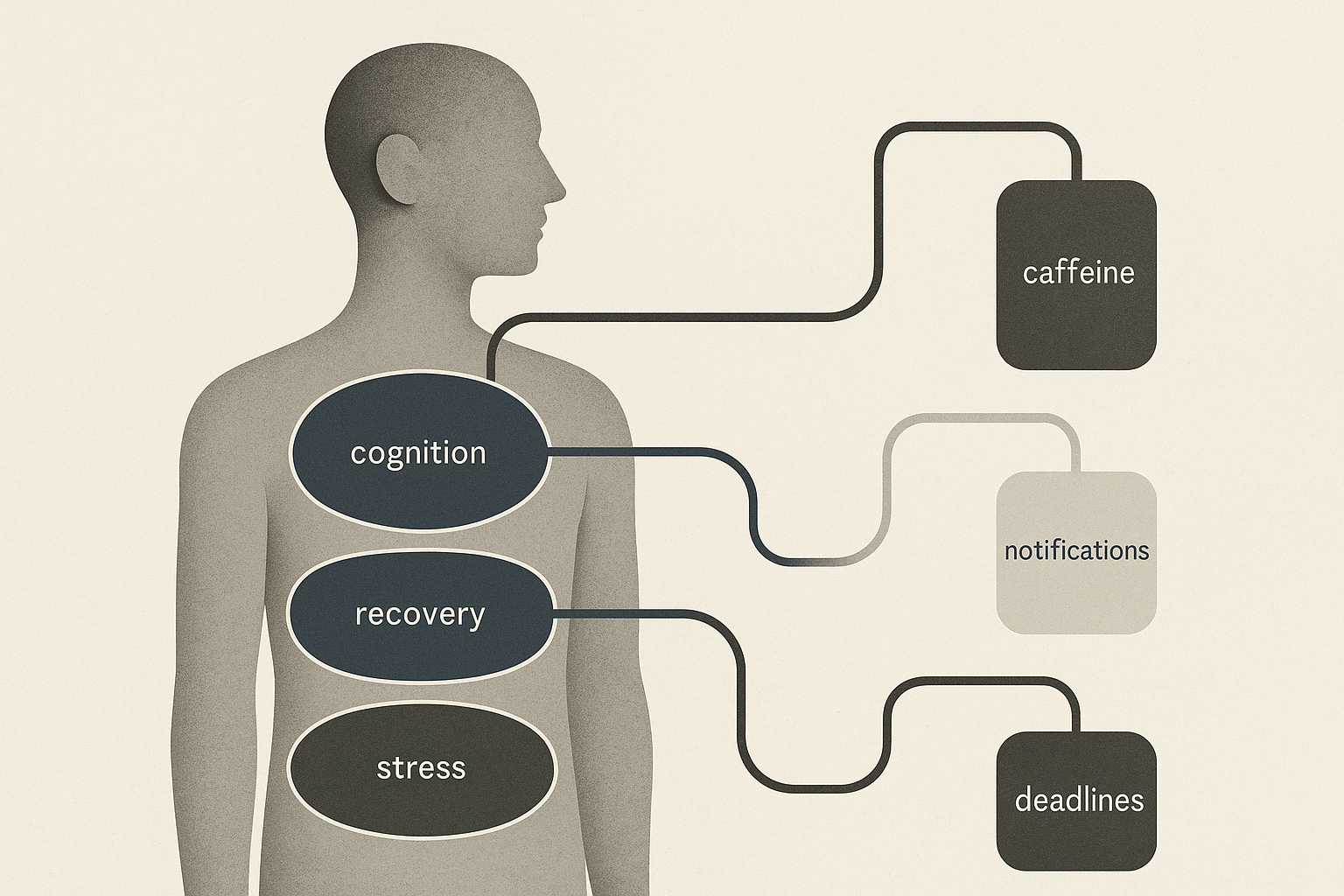
“Lack of emergency preparedness” rarely comes down to simply not having a kit or a checklist. More often, it’s the result of three forces that add up:
- Stress load that reduces your ability to plan and maintain even minimal habits.
- Recovery debt (sleep, breaks, decompression) that lowers your tolerance threshold and increases avoidance.
- Cognitive overload that makes it hard to choose, prioritize, and turn information into action.
This test doesn’t assess “how brave you are” or “how anxious you are.” It assesses how well your system (physiological + behavioral) can sustain simple, repeatable preparation that’s useful when you need it.
What you’ll get at the end
- An estimate of your operational readiness (not theoretical).
- Indicators of hidden patterns: “rational” procrastination, perfectionism, avoidance, implicit delegation.
- Three profiling axes: axis_stress_load, axis_recovery_debt, axis_cognitive_overload.
- A read on the most likely breaking points: what fails first when the situation changes.
How to answer (so you don’t skew the results)
- Answer with the last 30 days in mind, not how you’d like to be.
- If you live with other people, consider what is actually coordinated, not what someone else would “take for granted.”
- When a question seems “trivial,” pause: that’s often where the gap between intention and behavior is hiding.
Interpretation: three axes that explain why you don’t prepare
1) Stress load (axis_stress_load)
Measures how much pressure you’re already carrying. With high stress, preparedness becomes “one more” task and gets pushed out of view.
2) Recovery debt (axis_recovery_debt)
Measures how far behind your system is: insufficient sleep, ineffective breaks, poor emotional recovery. With high debt, even small actions feel costly.
3) Cognitive overload (axis_cognitive_overload)
Measures how saturated you are with decisions, information, and micro-problems. With high overload, indecision and delay increase, along with unintegrated purchases/actions (lots of things, little structure).
Important note on “preparedness”
Here, “preparedness” means minimal continuity: the ability to handle disruptions (power, water, communications, mobility, health) with a simple, updatable plan. It does not mean extreme scenarios or indiscriminate stockpiling.