Self-sufficiency & Resilience

Emergency preparedness: a real (not theoretical) self-sufficiency test

16 questions 9 min59 people have taken this test
Emergency preparedness: a real (not theoretical) self-sufficiency test

A structured test to measure your emergency preparedness: resources, decision-making under stress, recovery debt, and cognitive overload. Useful results, not generic ones.

Sign up or log in to take the test

Registration is required to start any test.

What this test analyzes

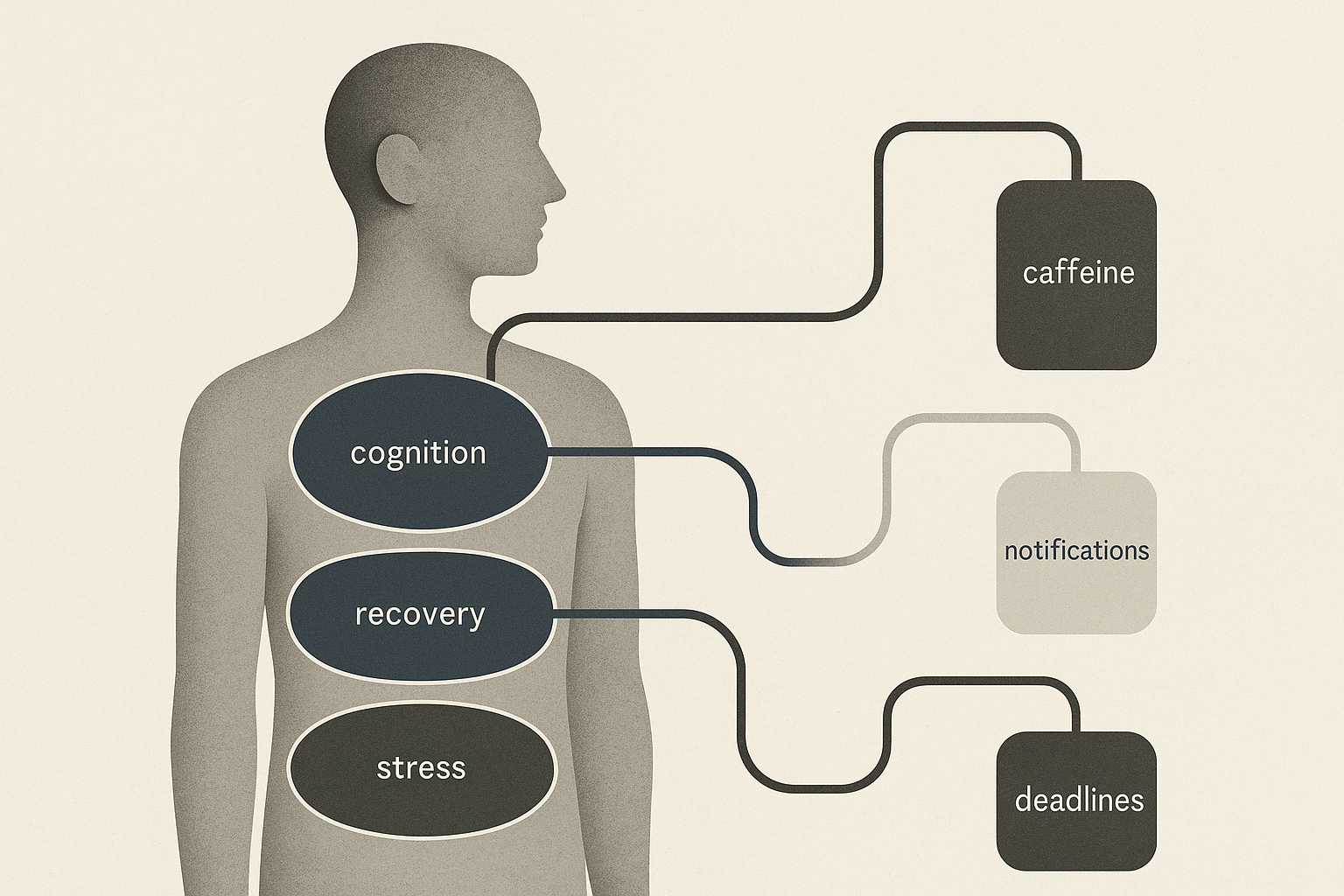
The intensity and frequency of living in “urgent mode,” which diminishes planning ability, prospective memory, and decision-making stability.
Accumulated fatigue and inadequate recovery reduce your ability to handle the unexpected and increase reactivity and mistakes.
Saturation of mental capacity caused by too many decisions and excessive complexity; it predicts procrastination and a breakdown of procedures in an emergency.

Why this test exists (and what it actually measures)

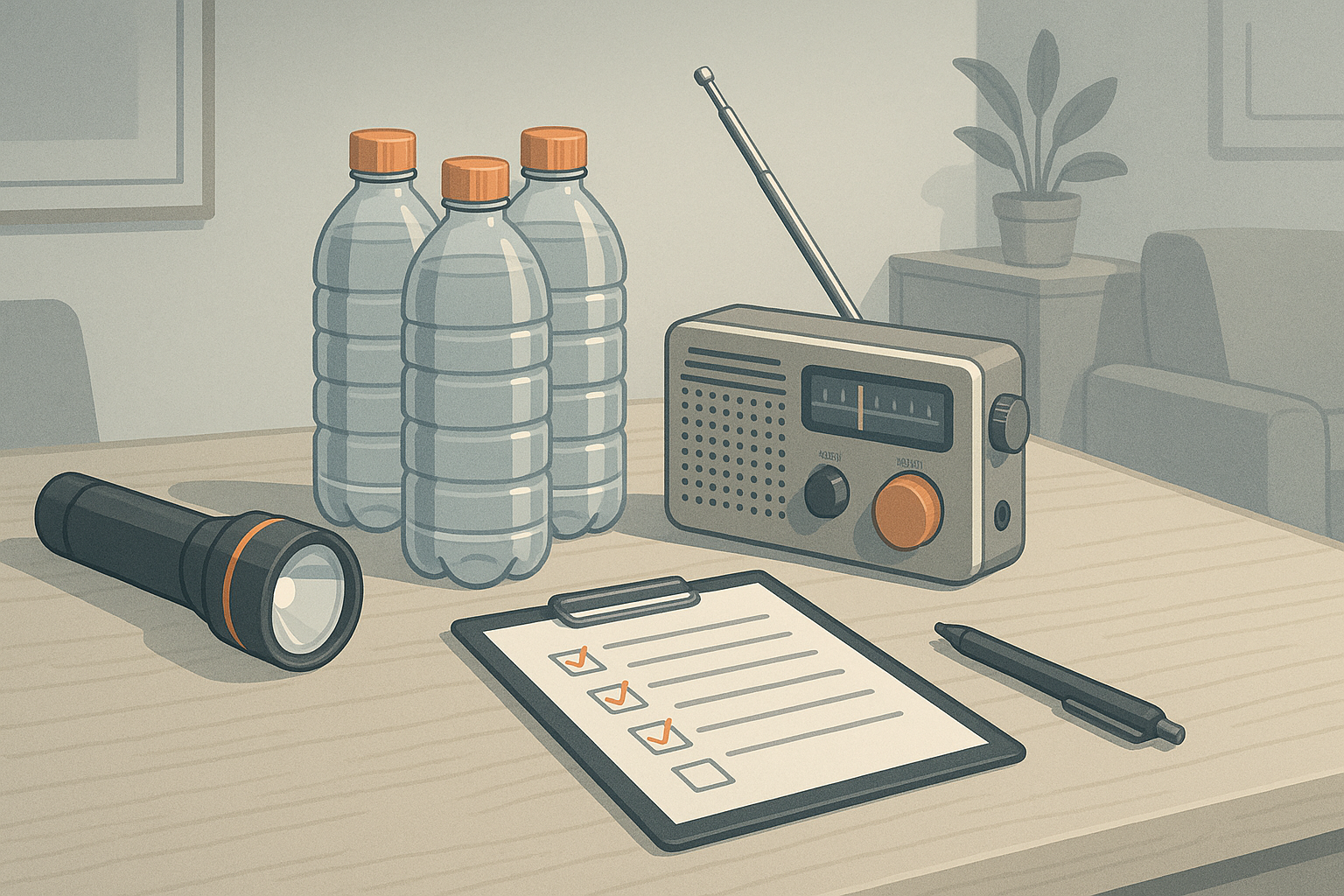
“Lack of emergency preparedness” is rarely just about not having items (flashlight, water, power bank). More often, it’s a combination of stress load, recovery debt, and cognitive overload that makes it hard to plan, maintain basic routines, and make useful decisions when conditions change.

This test doesn’t assess how “good” or “cautious” you are. It assesses functional readiness: your ability to turn intentions into concrete setups that are sustainable and kept up to date.

What you’ll get at the end

  • Preparedness profile (operational, logistical, decision-making).
  • Fragility indicators (where collapse is most likely: energy, attention, coordination, supplies).
  • An interpretation of the three mandatory axes: axis_stress_load, axis_recovery_debt, axis_cognitive_overload.

Note: this is not a clinical test. It’s a self-assessment tool focused on observable behaviors and real-world constraints.

How to answer (so you don’t skew the results)

  1. Answer based on the last 90 days, not how you’d like to be.
  2. If you live with other people, answer for your part (what you would check, what you would know how to do).
  3. If you’re torn between two options, choose the more frequent one.

What we mean by “emergency”

Low- or medium-probability but high-impact events, or common events with significant consequences: blackouts, water outages, cash/payment unavailability, network disruptions, sudden illness, temporary isolation, evacuation, transport shutdowns, heat/cold waves, household accidents.

Interpreting the results: three axes that change everything

1) axis_stress_load (Stress load)

Measures how often you live in “urgent mode.” A high load reduces the likelihood that you’ll plan and maintain simple systems (basic supplies, periodic checks, shared procedures).

2) axis_recovery_debt (Recovery debt)

Measures how far “behind” you are on recovery: sleep, breaks, decompression. A high debt makes your response to unexpected events fragile: even a manageable problem can become unmanageable.

3) axis_cognitive_overload (Cognitive overload)

Measures how much mental capacity is already taken up by tasks, worries, and decisions. If it’s high, preparedness fails not because of a lack of willpower, but because of excess complexity and a lack of automatic routines.

Typical patterns this test can bring to light

  • “Stuff-based” preparedness without procedures: the kit exists, but no one knows where it is / how to use it / when to update it.
  • “Mental” preparedness without logistics: you know what you’d do, but basic resources are missing (water, light, cash, medications).
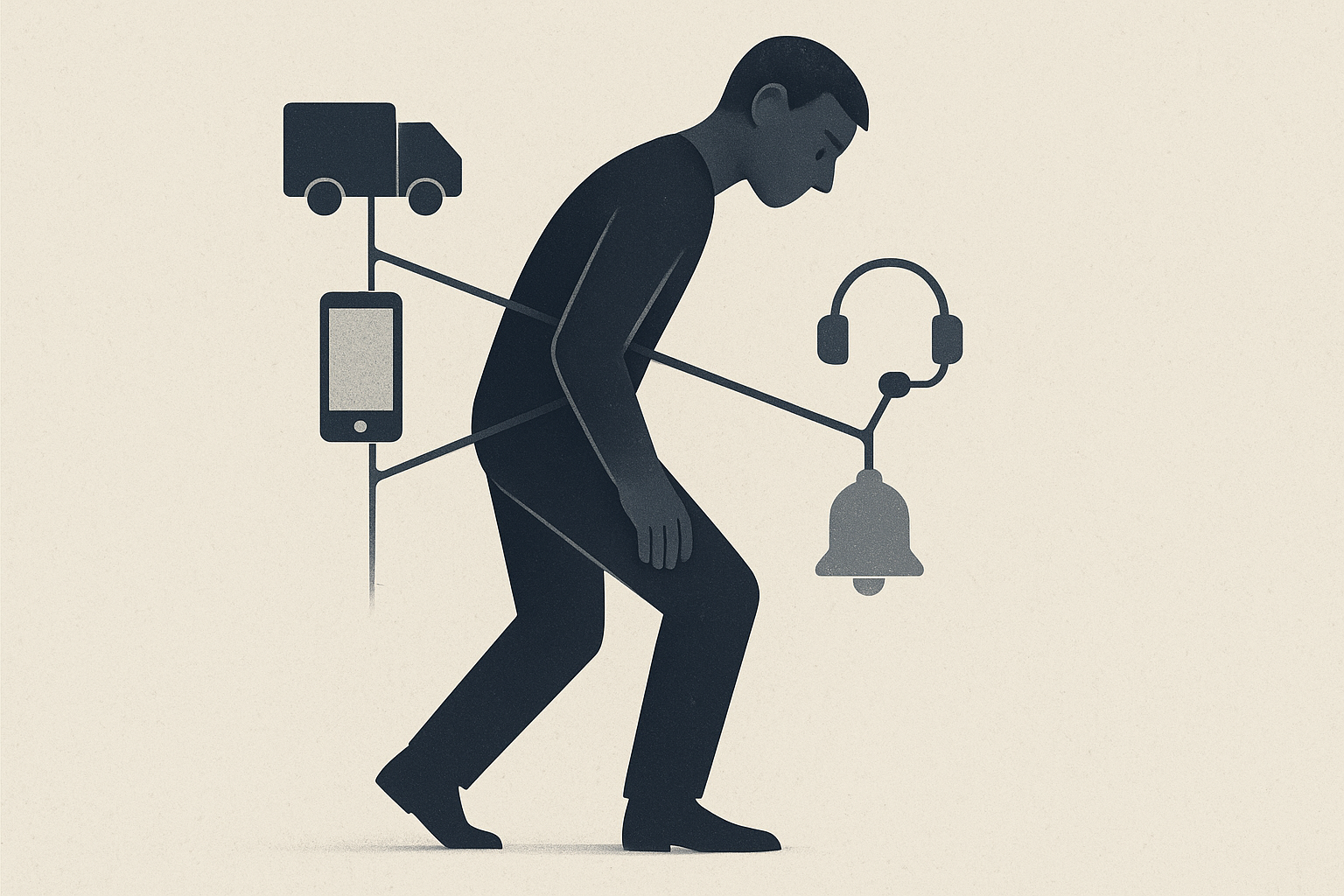
  • Dependence on infrastructure: everything works only with the network, smartphone, digital payments, deliveries.
  • Decision collapse: under high stress, micro-decisions multiply and action stalls.

Internal deep-dives (optional)

If you want to connect these results to other aspects of your autonomy:
Frequently asked questions

Does this test measure my “anxiety” about emergencies?
No. It mainly measures behaviors and constraints: availability of minimum resources, clarity of procedures, ability to make decisions under pressure, and long-term sustainability. Anxiety can have an influence, but it isn’t the main focus.
Why do you include stress, recovery, and cognitive overload in a preparedness test?
Because preparedness doesn’t fail only due to a lack of items: it fails when the person-system is already saturated. High stress reduces planning and prospective memory; recovery debt reduces tolerance for the unexpected; cognitive overload increases errors and procrastination.
How “complete” should sensible preparedness be?
It depends on the context (city/countryside, health, family, work). In general, sensible preparedness is modular: it covers vital functions first (water, light, communication, medications, money), then continuity (food, hygiene, heating/cooling), and finally specific scenarios.
If I rent or live in a small space, does it make sense to prepare?
Yes. Preparedness isn’t stockpiling: it’s reducing dependence on single points of failure. Even in a small space you can create minimal redundancies (lighting, charging, water, cash, copies of documents) and clear procedures.
Does the test penalize people with limited financial resources?
No: many high-impact measures are low-cost (organization, checklists, stock rotation, shared procedures). The test distinguishes between lack of means and lack of decision-making structure.
How often should preparedness be updated?
Ideally with a light cycle: a quick monthly check (batteries, expiration dates, cash, medications) and a quarterly review (scenarios, roles, contacts, meeting points). If your stress/overload is high, you need an even simpler, more automated system.
What does a high cognitive overload score mean in an emergency context?
It means your mind is already occupied by too many decisions and worries. In an emergency this increases the risk of freezing, forgetting, and impulsive choices. The main lever becomes reducing complexity: standardize, pre-decide, and make what you need visible and accessible.
Can I use the test for my family or for a team?
Yes, but the results are more useful if each person fills it out individually and then you compare differences: “responsibility gaps” often emerge (everyone thinks someone else will handle it) or procedures that aren’t shared.

Recommended tests

All tests