Social Connection & Isolation
Test: Feeling disconnected from others
Assess your sense of disconnection from others: behavioral and physiological signs, stress load, recovery debt, and cognitive overload. Results aimed at awareness, not labels.
What this test measures (and what it doesn’t)
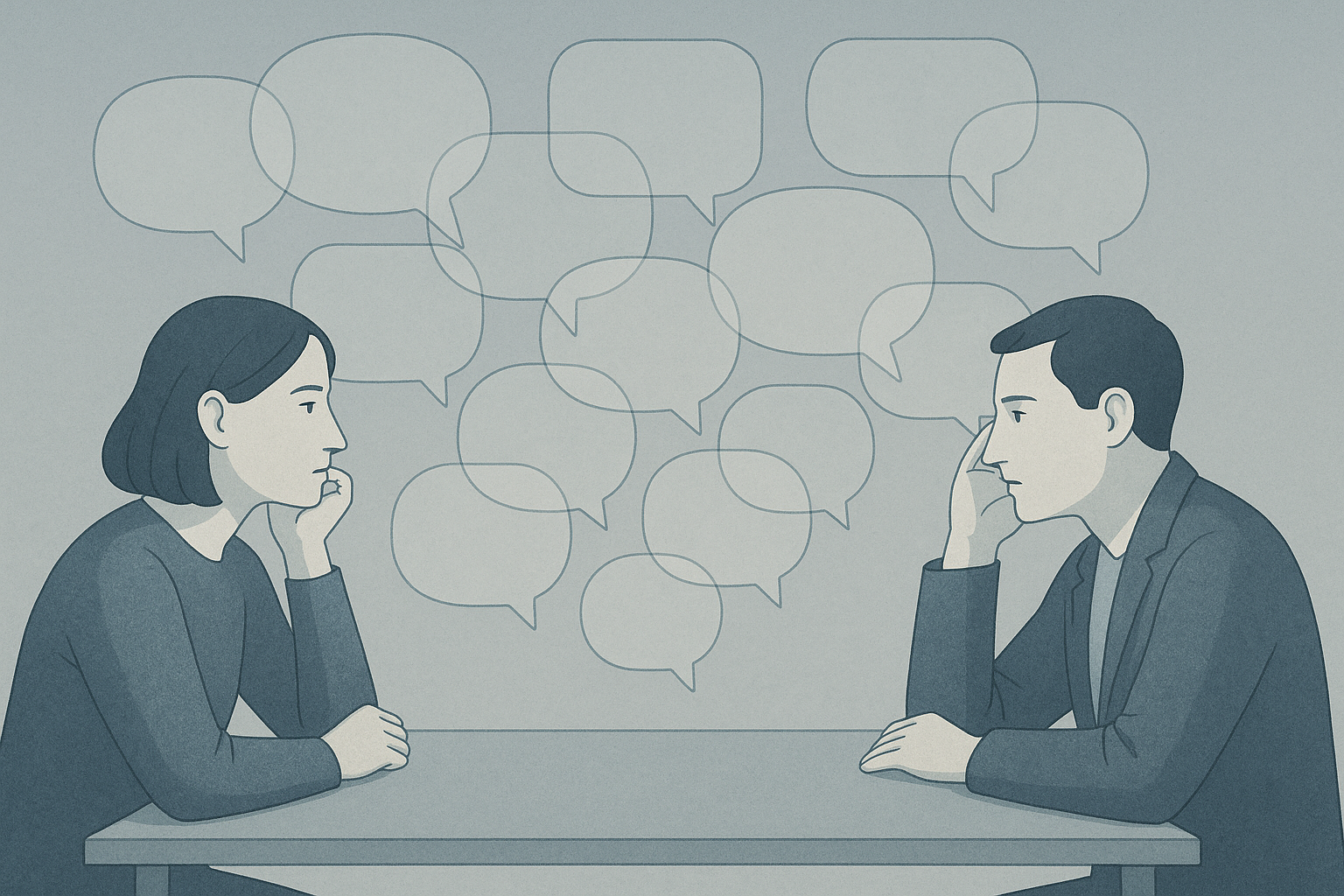
A sense of disconnection from others doesn’t always match objective isolation. You can have plenty of interactions and still feel “out of sync”: not truly seen, not truly understood, not truly resonating. This test explores recurring patterns that feed that feeling, distinguishing between:
- Stress load that reduces relational availability (tolerance, curiosity, patience).
- Recovery debt (sleep, breaks, decompression) that shifts emotional tone and capacity for contact.
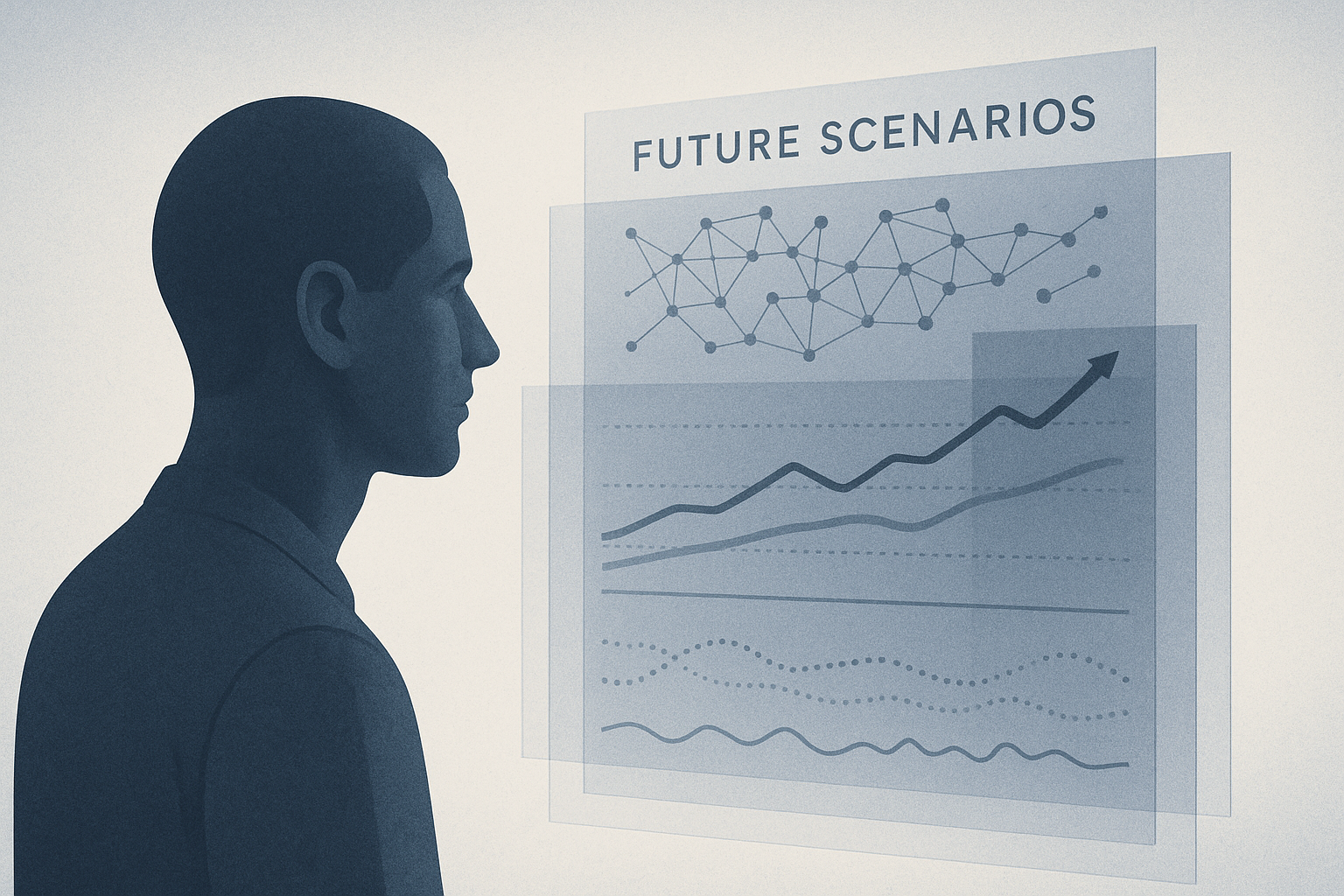
- Cognitive overload (rumination, multitasking, overanalysis) that “shifts” attention from the other person to internal management.
This is not a diagnosis and does not replace a clinical evaluation. It’s a self-reflection tool: it helps make dynamics that are often invisible observable, increasing autonomy and precision in your choices.
Why disconnection can increase even when “everything is fine”
Social connection requires resources: attention, emotional regulation, energy. When these resources are under pressure, the brain tends to:
- Reduce complexity: faster interpretations, fewer nuances, more misunderstandings.
- Protect itself: withdrawal, avoidance, functional conversations that aren’t very intimate.
- Optimize: “efficient” interactions (messages, tasks, logistics) instead of emotional exchange.
The result can be a socially full life but relationally poor. This test aims to clarify what cost you’re paying and where it comes from.
How to answer for a useful profile
- Answer with the last 2–3 weeks in mind, not a single episode.
- If you’re torn between two options, choose the one that describes what happens more often.
- Don’t aim for narrative consistency: the value lies in the asymmetries (e.g., I want contact but I avoid it).
What you’ll get at the end
The report will highlight:
- Disconnection patterns (withdrawal, overcontrol, emotional numbing, social hypersensitivity).
- Load/recovery imbalances that make connection more tiring than it needs to be.
- Indicators of cognitive overload that interfere with presence and listening.
If you want to go deeper after the test, you can consult: Guide to stress load and Guide to recovery.
Safety note
If the sense of disconnection is accompanied by marked anhedonia, persistent self-devaluing thoughts, or total unwanted isolation, consider speaking with a professional. The test can help you describe the problem, not replace support.
Frequently asked questions
Is it normal to feel disconnected even when friends and family are around?
Yes. Disconnection is often a qualitative experience: it’s about the feeling of resonance, safety, and reciprocity. High stress, recovery debt, or cognitive overload can reduce your ability to “feel” the other person even in frequent social settings.
What is the difference between isolation and disconnection?
Isolation is mainly quantitative (few interactions or smaller social networks). Disconnection is qualitative (interactions are present but feel empty, effortful, or inauthentic). They can coexist, but they are not the same thing.
Can this test indicate whether I have social anxiety or depression?
No. The test is not diagnostic. However, it can highlight patterns consistent with avoidance, social hypervigilance, emotional flattening, or withdrawal, which can be present in different conditions. If symptoms are intense or persistent, a clinical evaluation is helpful.
Why does recovery (sleep, breaks) affect connection with others?
Recovery supports emotional regulation, frustration tolerance, and cognitive flexibility. When there is recovery debt, irritability, rejection sensitivity, and listening difficulties increase—factors that make relationships more costly and less rewarding.
What does “cognitive overload” mean in a social context?
It’s an excess of mental work that occupies attention and working memory: rumination, overanalyzing what was said, anticipating scenarios, multitasking. In practice, it reduces presence, spontaneity, and the ability to pick up on subtle cues from others.
How reliable are the results if I’m having a bad day today?
That’s why the test asks you to refer to the last 2–3 weeks. A bad day can influence some answers, but stable patterns emerge when you consider frequency rather than a single episode.
What can I do if the test shows high disconnection but I want more contact?
The point isn’t to “force” socializing, but to identify the main obstacle: stress load, recovery debt, or cognitive overload. Reducing the internal cost (energy, attention, regulation) often makes contact more accessible and less threatening.
Does the test also consider relationship quality (not just quantity)?
Yes. Several questions distinguish between the presence of interactions and the perception of safety, authenticity, reciprocity, and the ability to repair after friction or misunderstandings.