What we measure (without psych jargon)
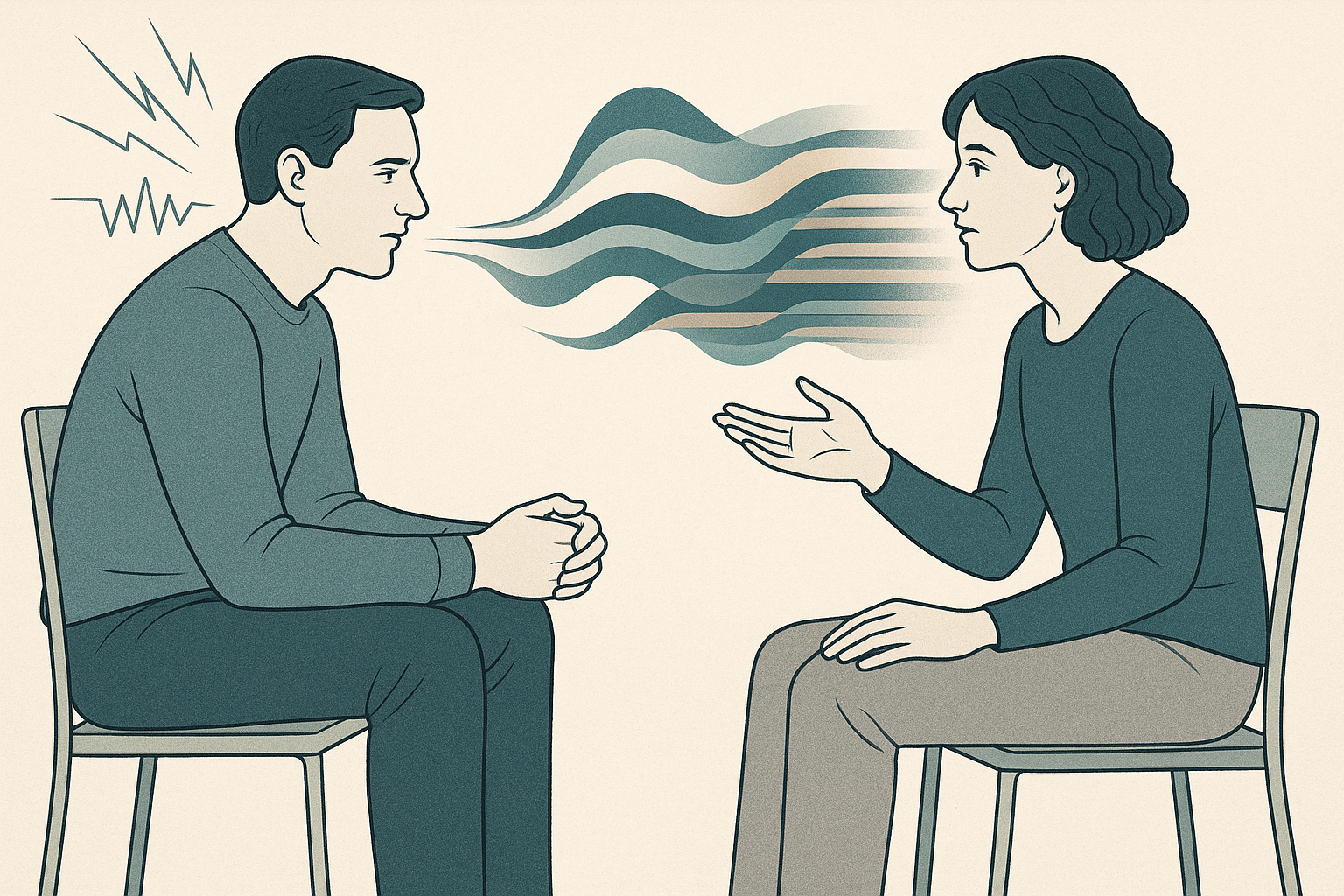
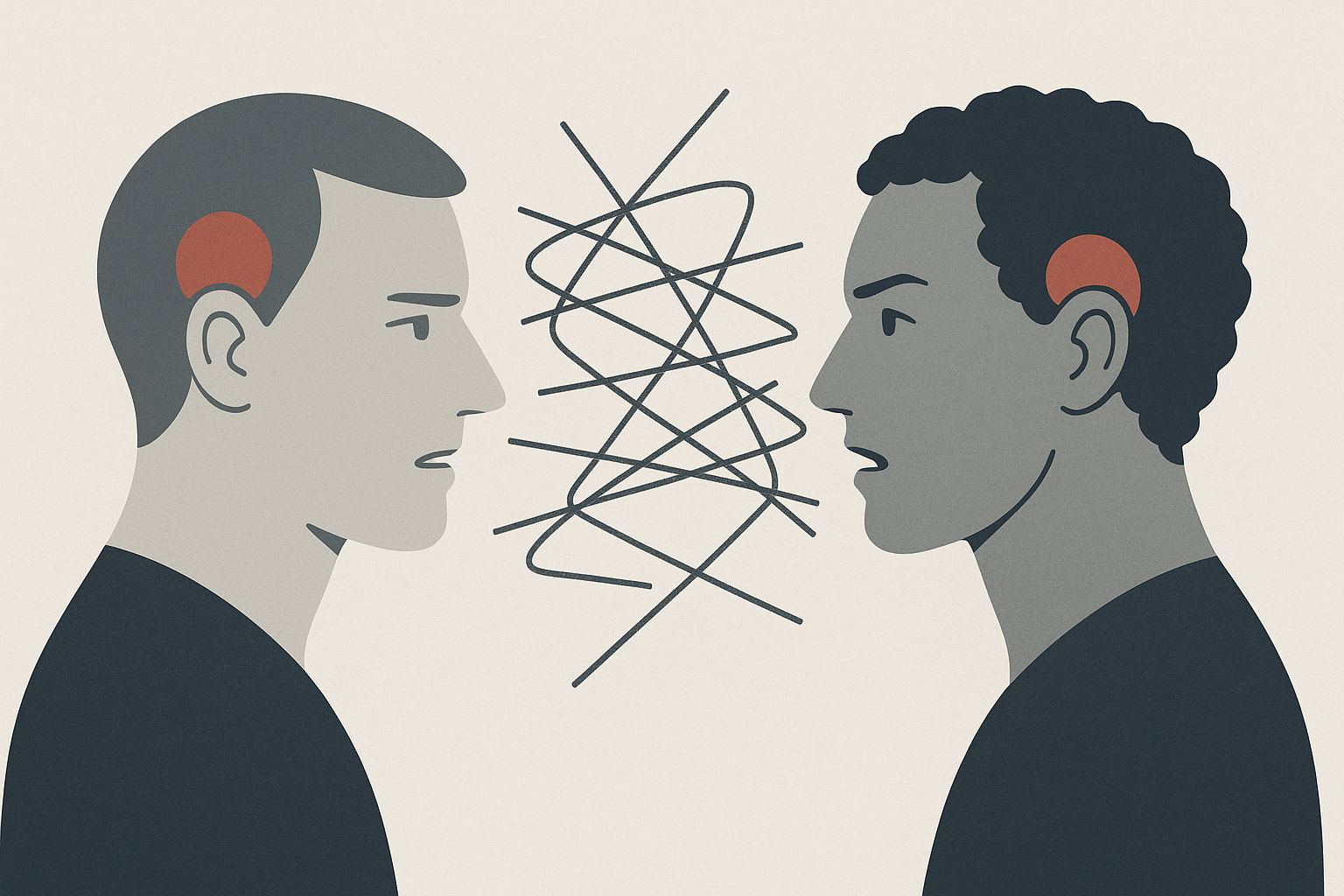
By disorganized emotional communication, we mean a set of observable micro-patterns: sudden shifts in tone, contradictory messages, rapid swings between attack and withdrawal, excessive explanations that don’t actually clarify anything, or silences that don’t bring closure. It’s not a “personality trait,” and it’s not a clinical label: it’s a way of communicating that tends to show up when the system is under pressure.
This test doesn’t assess “how good you are at communicating.” It maps when and how your communication loses coherence—and at what physiological and cognitive cost. The goal is to increase autonomy: to recognize early signals, separate content from state, and understand which conditions make escalation more likely.
The three axes we’ll use to interpret the results
1) Stress load (axis_stress_load)
Measures how much pressure you bring into communication: urgency, irritability, hypervigilance, and sensitivity to judgment. A high load makes fast, less filtered responses more likely.
2) Recovery debt (axis_recovery_debt)
Measures how much time and how many resources you need to return to baseline after a confrontation: post-conversation fatigue, rumination, disrupted sleep, and the need for isolation. A high debt means the system “pays interest” even after the conversation is over.
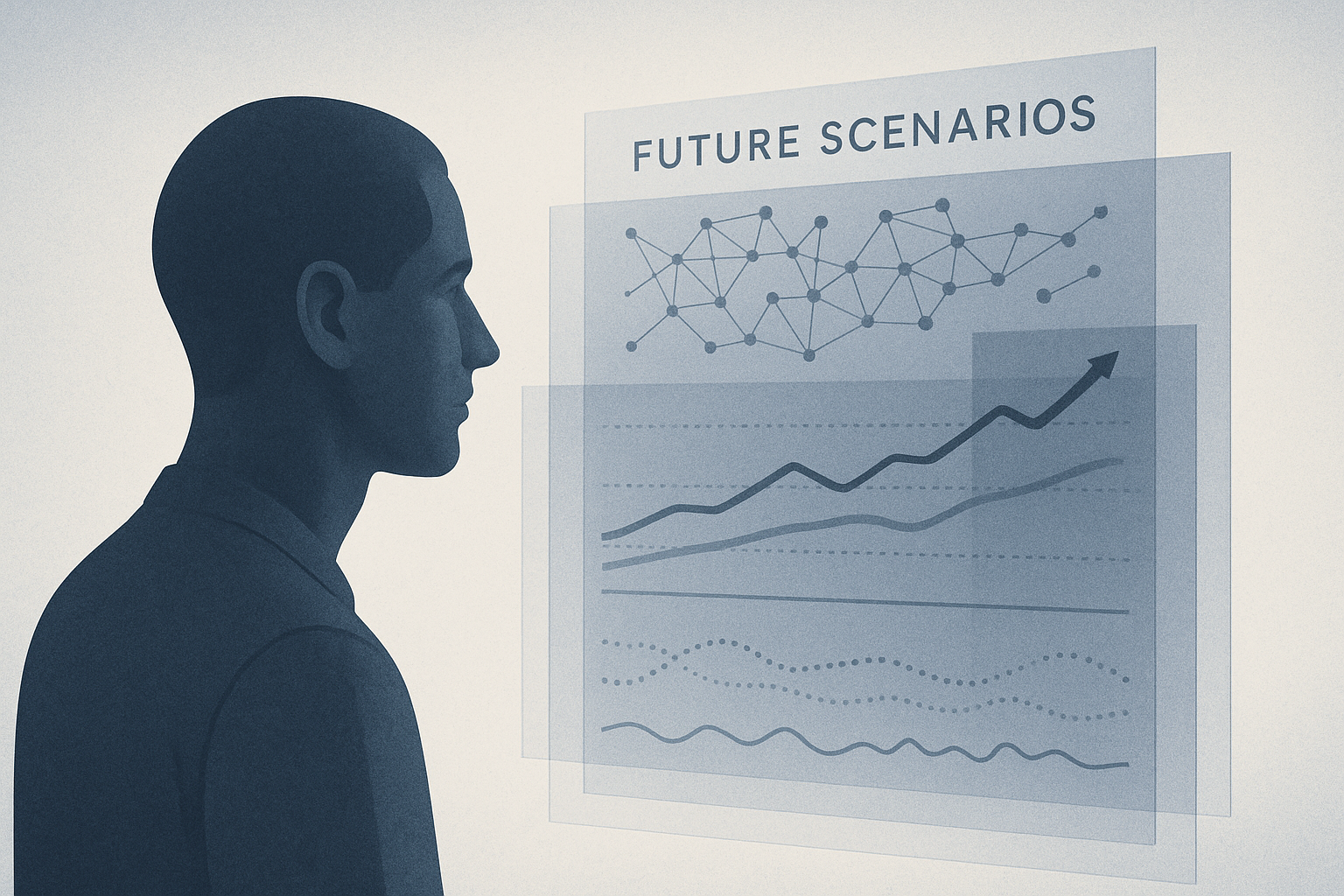
3) Cognitive overload (axis_cognitive_overload)
Measures how overloaded your mind becomes during the interaction: difficulty following the thread, working-memory strain, too many branching alternatives (“if I say X, then Y happens…”), and confusion between facts and interpretations. High overload increases incoherence and contradictions.
How to answer to get a useful profile
- Think about the last 30 days, not a single exceptional episode.
- Answer with real relationships in mind (partner, family, work), not “cold” online conversations.
- If you relate to two options, choose the one that describes what happens more often or what costs you more afterward.
If you want a more complete picture, after this test you can cross-check the results with Stress & Recovery or with Conflict Styles. It’s not necessary to get a valid result.
What this test does NOT do
- It does not diagnose psychological or neurological disorders.
- It does not determine who is “right” in a relationship.
- It does not replace clinical care if significant symptoms are present (panic attacks, dissociation, thoughts of self-harm, abuse).
Interpretation: typical signs of emotional disorganization
In the results, you may find one or more of these clusters:
- Rapid escalation: a quick rise in intensity, difficulty “slowing down.”
- Over-explaining: lots of words to reduce anxiety, but the other person experiences it as pressure or control.
- Protective withdrawal: silence or shutdown to avoid harm, followed by rumination.
- Mixed messages: a desire for closeness plus fear of being intruded on; a need for clarity plus intolerance of the answer.
The point isn’t to eliminate emotion—it’s to organize it so the message stays readable and the body doesn’t pay an excessive price.